Alemania
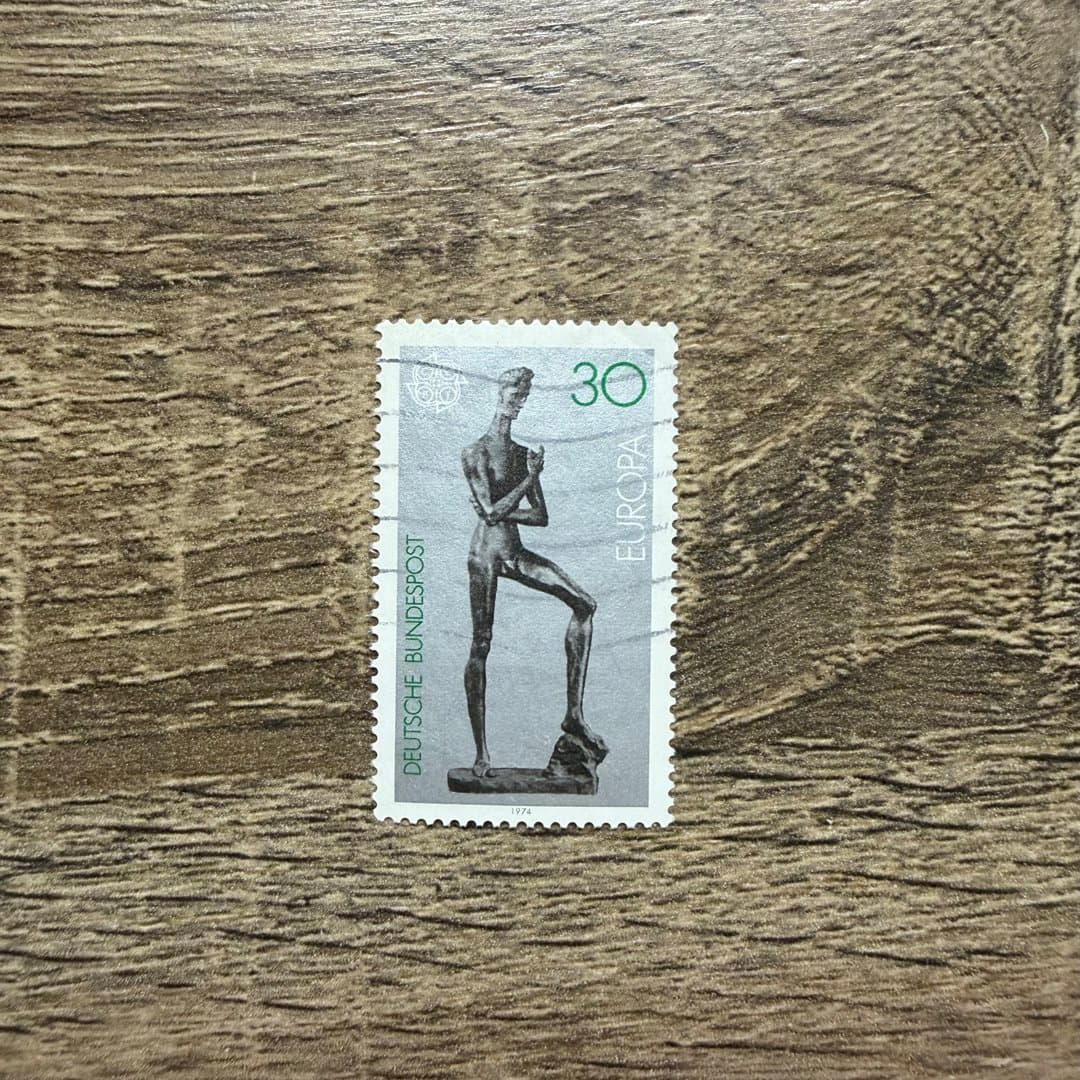
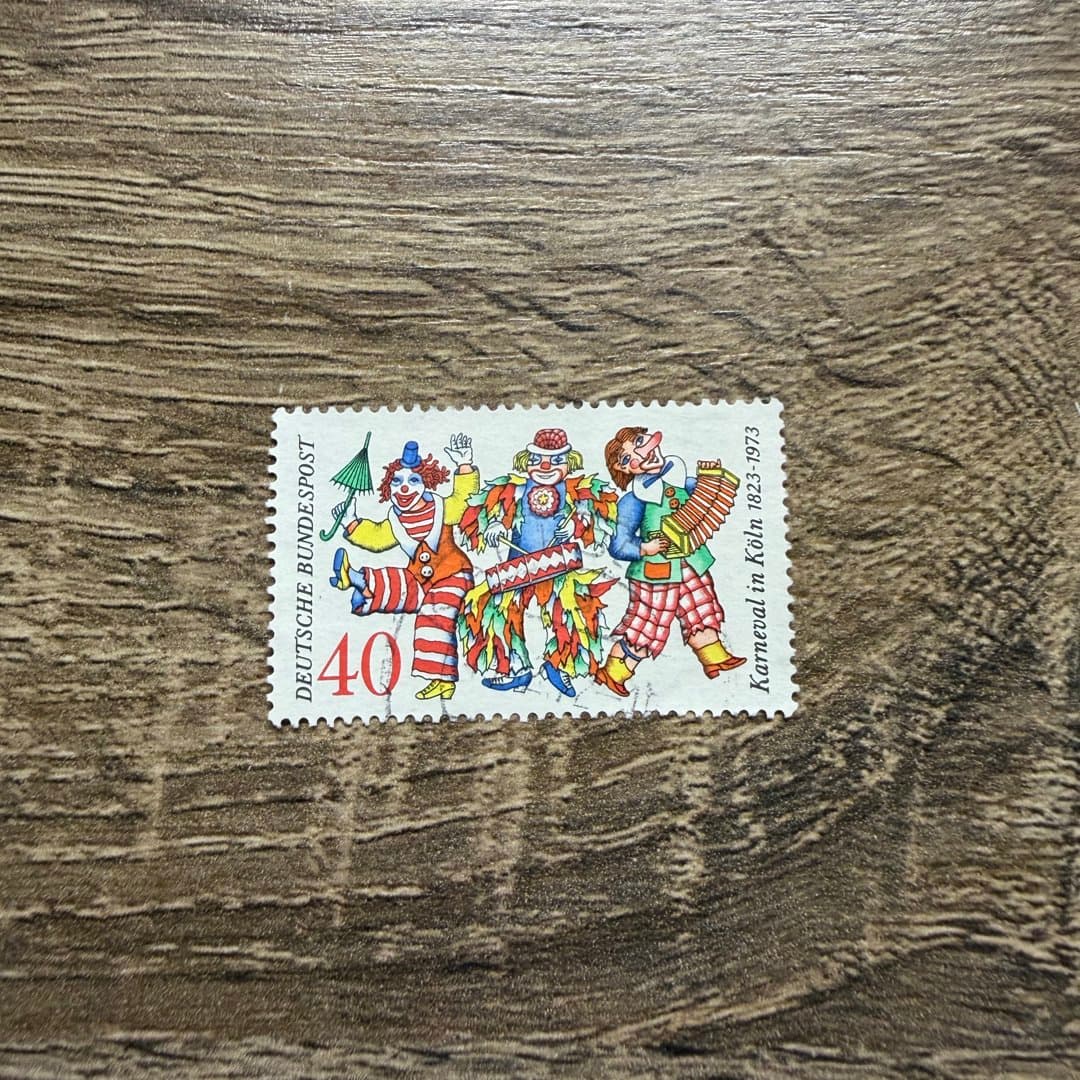
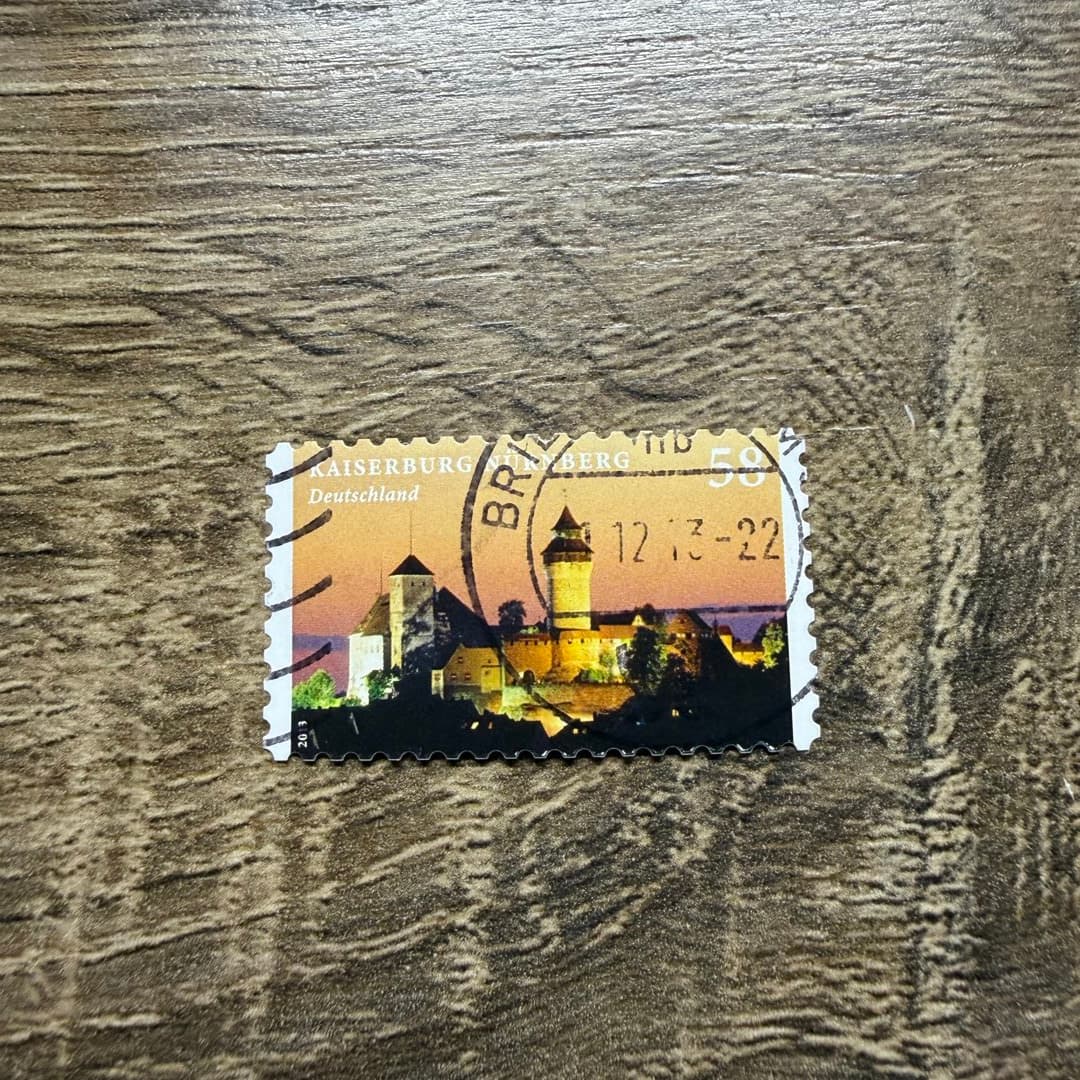
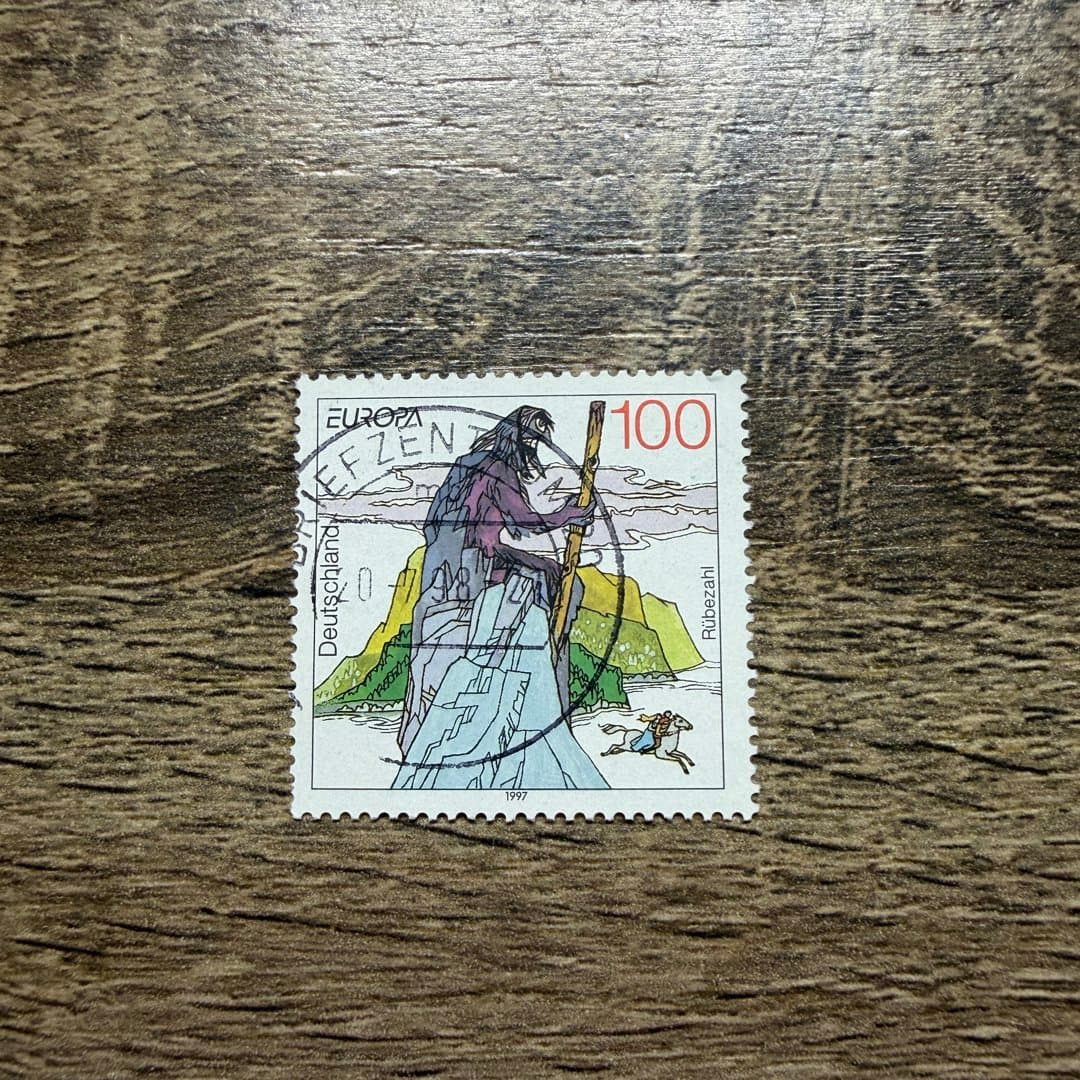
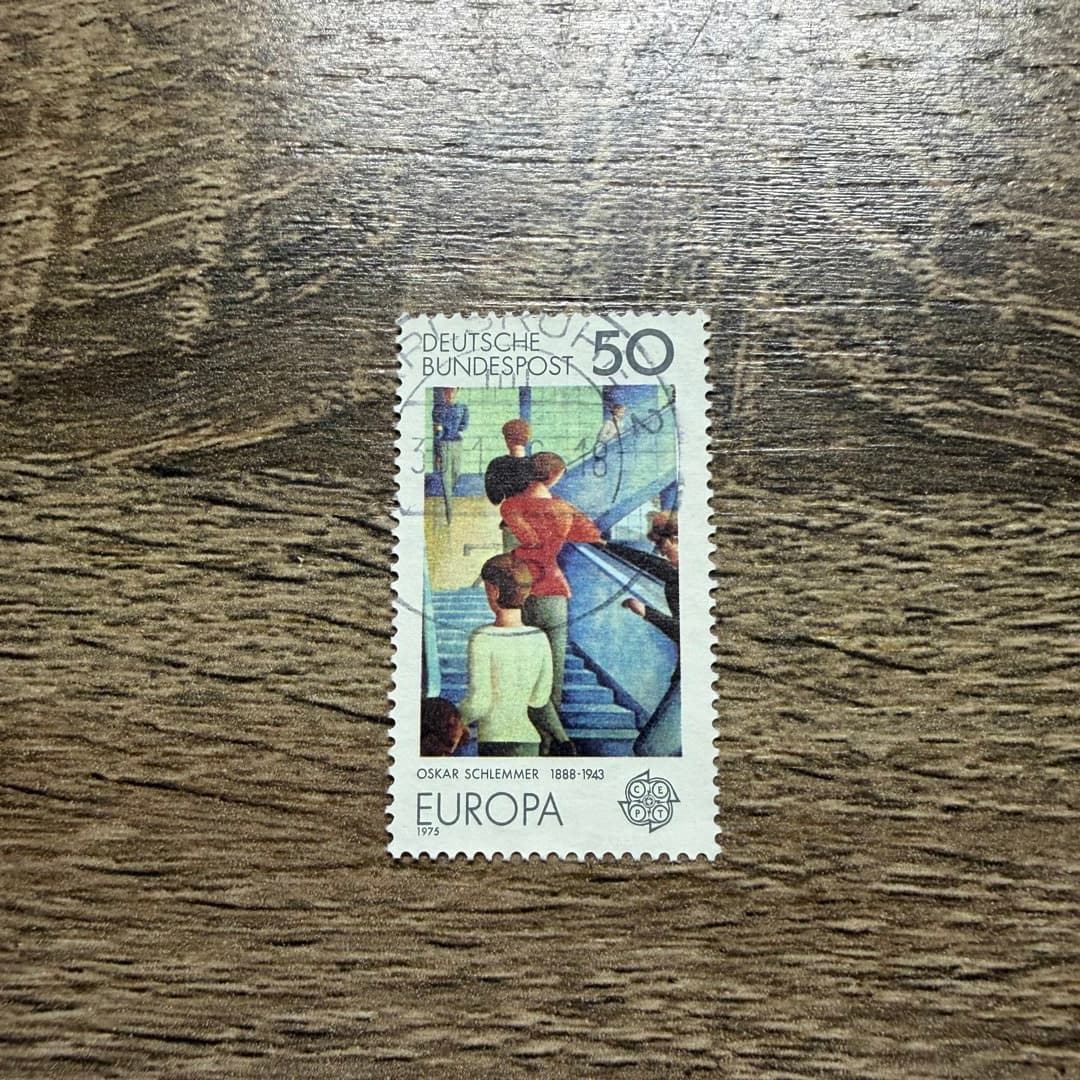
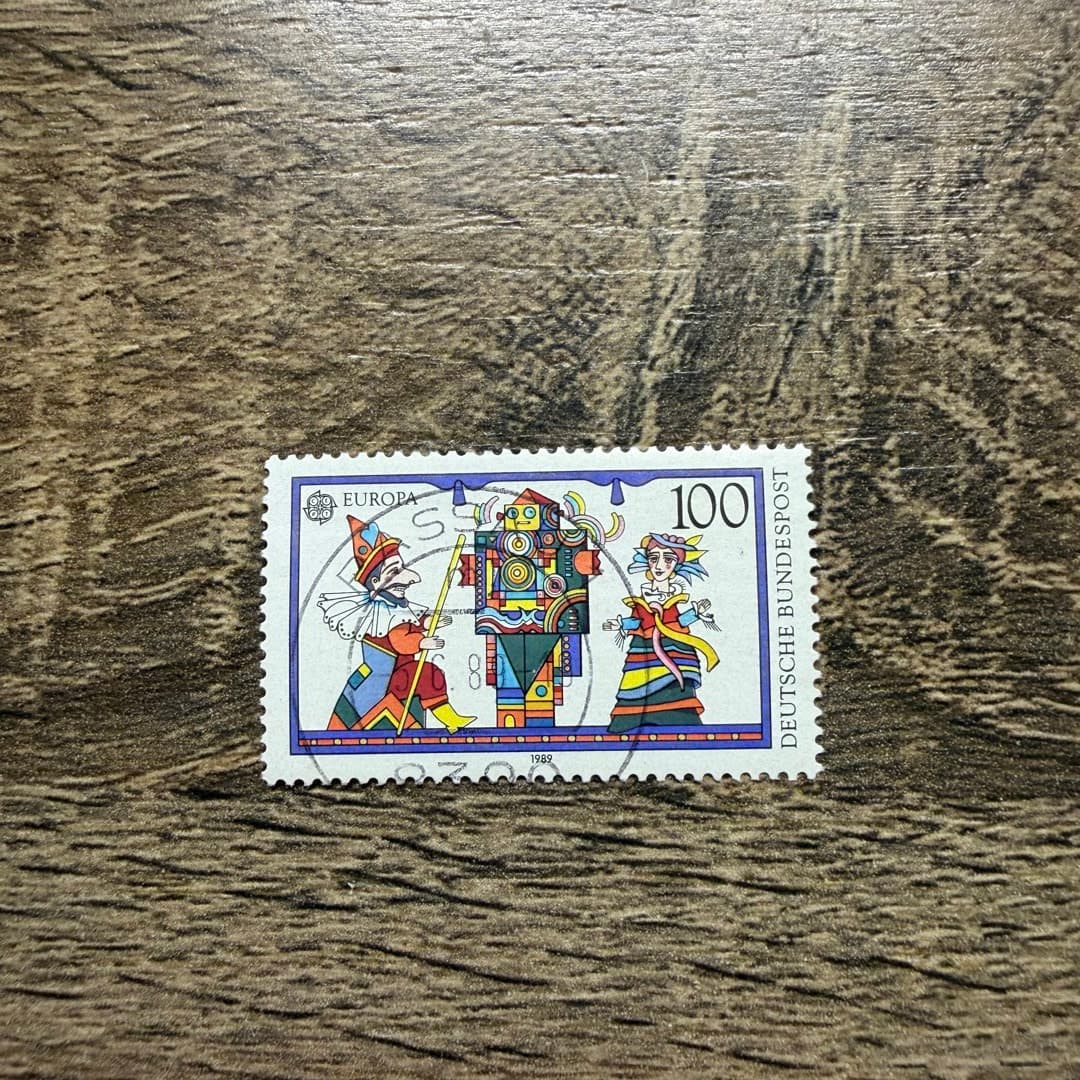
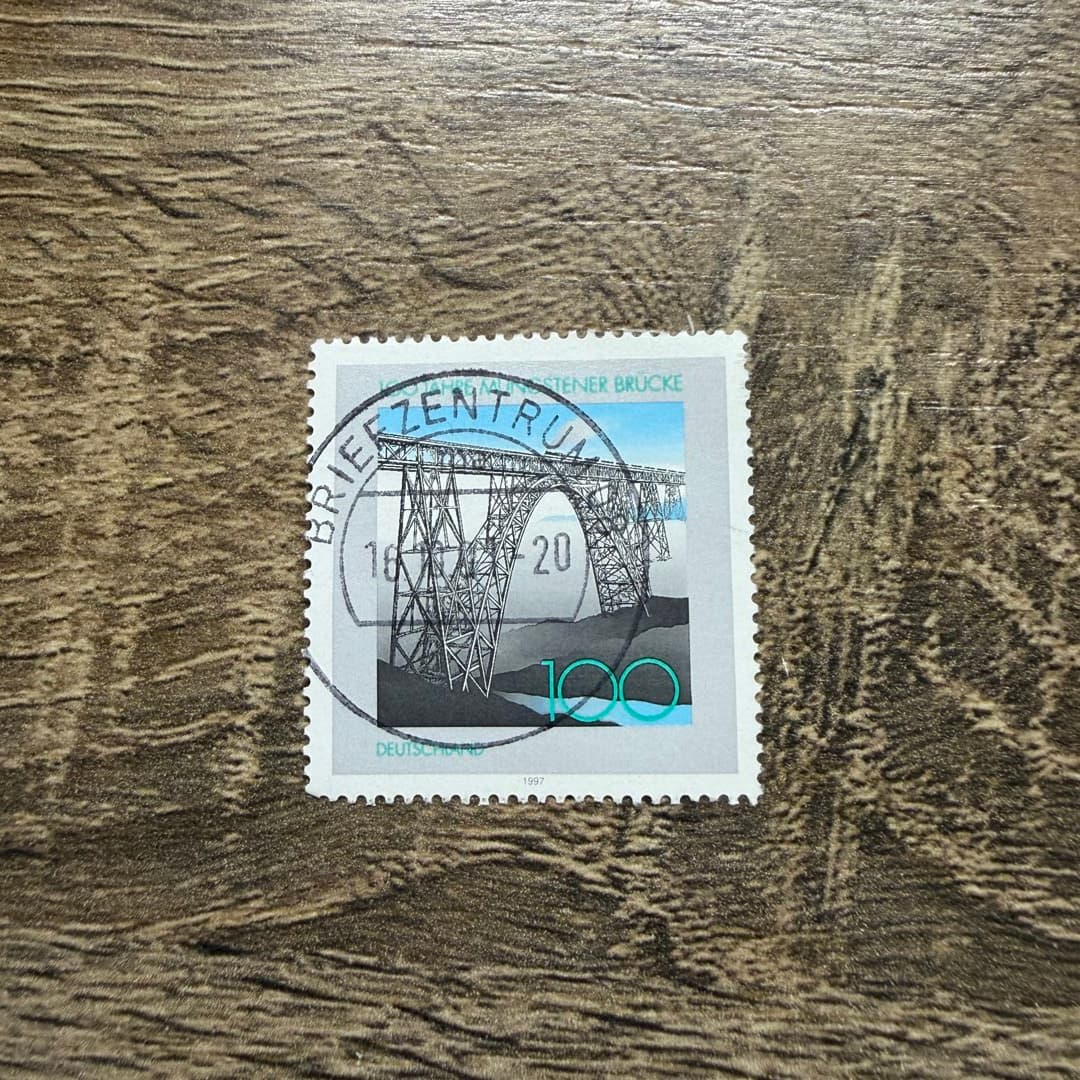
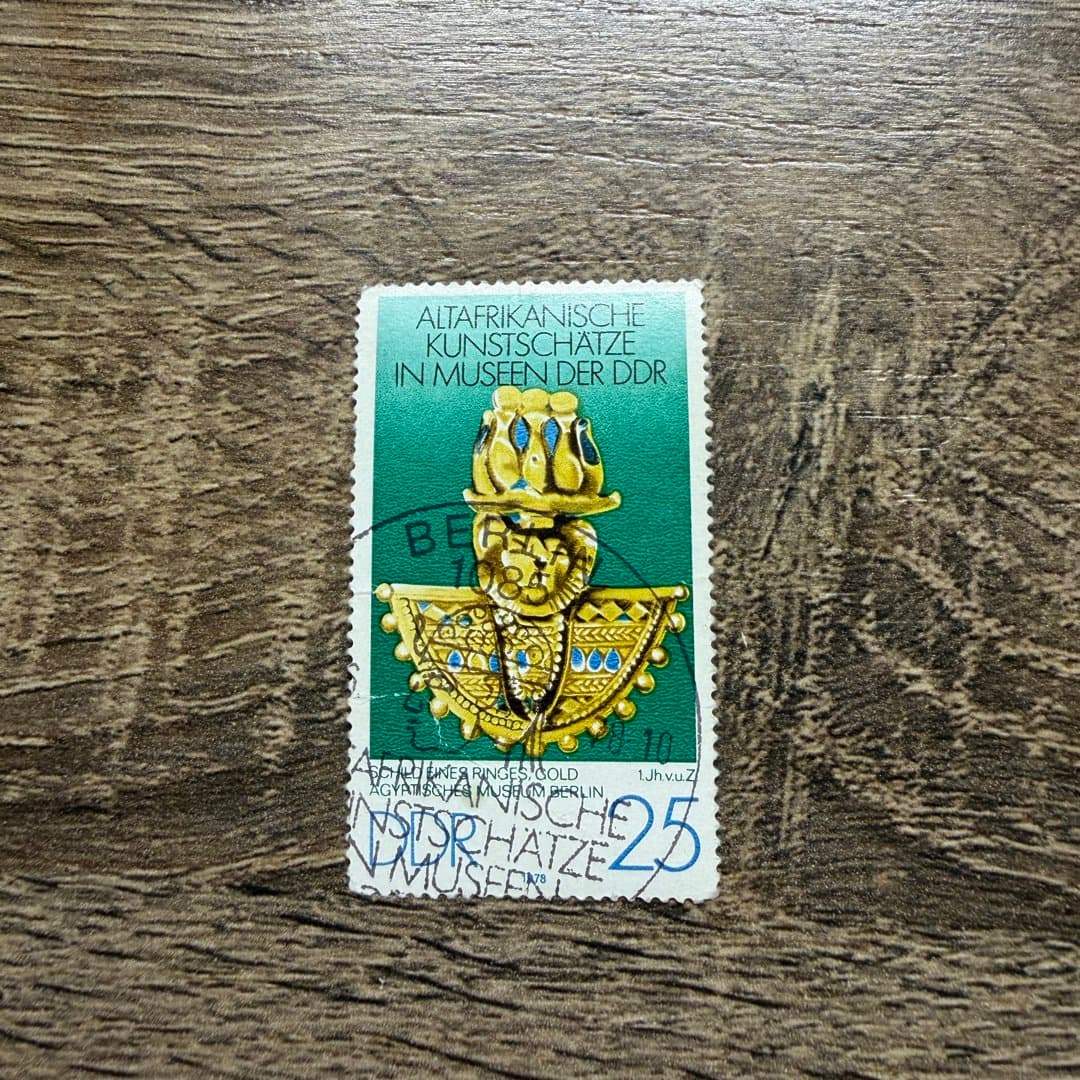
This category on Save All encompasses the rich and diverse postal and documentary history of Germany. Collectors will find a wide array of items spanning various eras, from the German Empire through the Weimar Republic, the Third Reich, Allied Occupation zones, and both East and West Germany, up to the unified Federal Republic. Items like the 1978 stamp exemplify the post-war period. Collectibility is often driven by historical significance, rarity, unique designs, and specific postal usages. Collectors meticulously track condition, distinguishing between mint, used, and never-hinged examples. Attention is also paid to printing variations, watermarks, perforations, and known errors, which can significantly impact an item's desirability and market value. Proper storage in archival-safe materials is crucial for preserving the integrity and long-term value of these historical artifacts. Understanding these nuances is fundamental to building a comprehensive and valuable collection.
Frequently asked questions
How can I begin collecting German stamps or postal history?
Start by selecting a specific historical period, region, or thematic focus within German philately. Acquire a reputable catalog for identification and value guidance, along with basic tools like tongs and a magnifying glass.
What factors primarily influence the value of German philatelic items?
Value is determined by rarity, condition (e.g., mint never hinged, fine used), historical significance, and specific postal usage. Errors, unique cancellations, or documented provenance can also significantly enhance an item's worth.
What are the best practices for storing and preserving a German stamp collection?
Use acid-free stock books, mounts, or archival sleeves to protect items from environmental damage. Store your collection in a stable environment, away from direct sunlight, extreme temperatures, and high humidity.