Other European Countries
This category encompasses a diverse array of stamps and philatelic material originating from European countries not covered by more specific national categories. Collectors exploring this section will discover issues from nations across Eastern, Central, and Southern Europe, alongside smaller Western European states, offering a rich tapestry of postal history. Items here are valued for their historical context, unique artistic designs, and the challenge of assembling comprehensive national or thematic collections from varied origins. Collectors meticulously track several key attributes: the stamp's condition, differentiating between unused (mint, never hinged) and used (cancelled) examples, and assessing gum quality, centering, and perforations. Attention is also paid to specific editions, watermarks, paper types, and printing variants or errors. Proper storage, typically in acid-free albums with archival mounts, is crucial for preserving these valuable pieces, such as a 1982 issue from a former Soviet bloc nation. This section provides a gateway to exploring less common yet equally fascinating philatelic narratives.
Other European Countries
22 items in this category
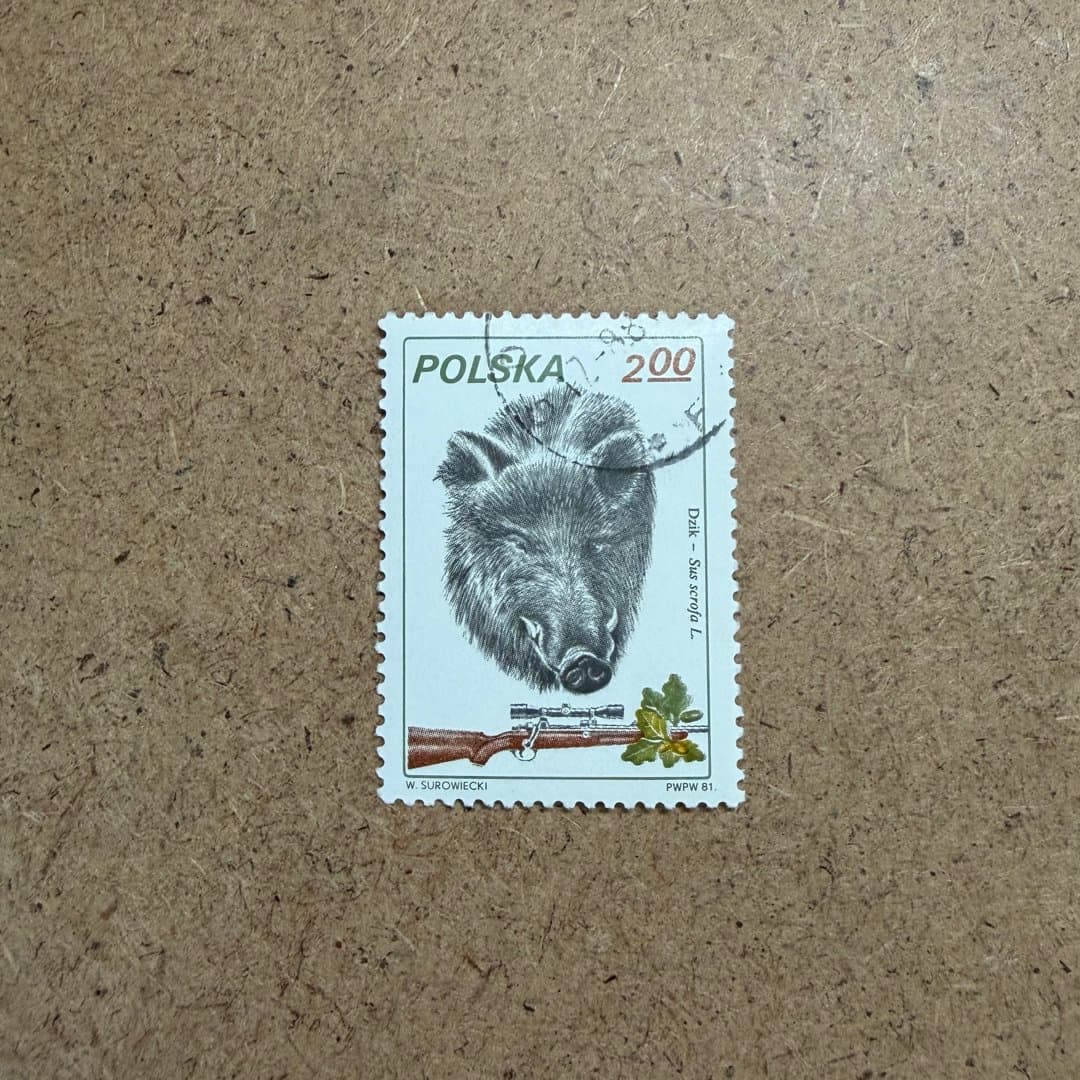
1981г
by milktea
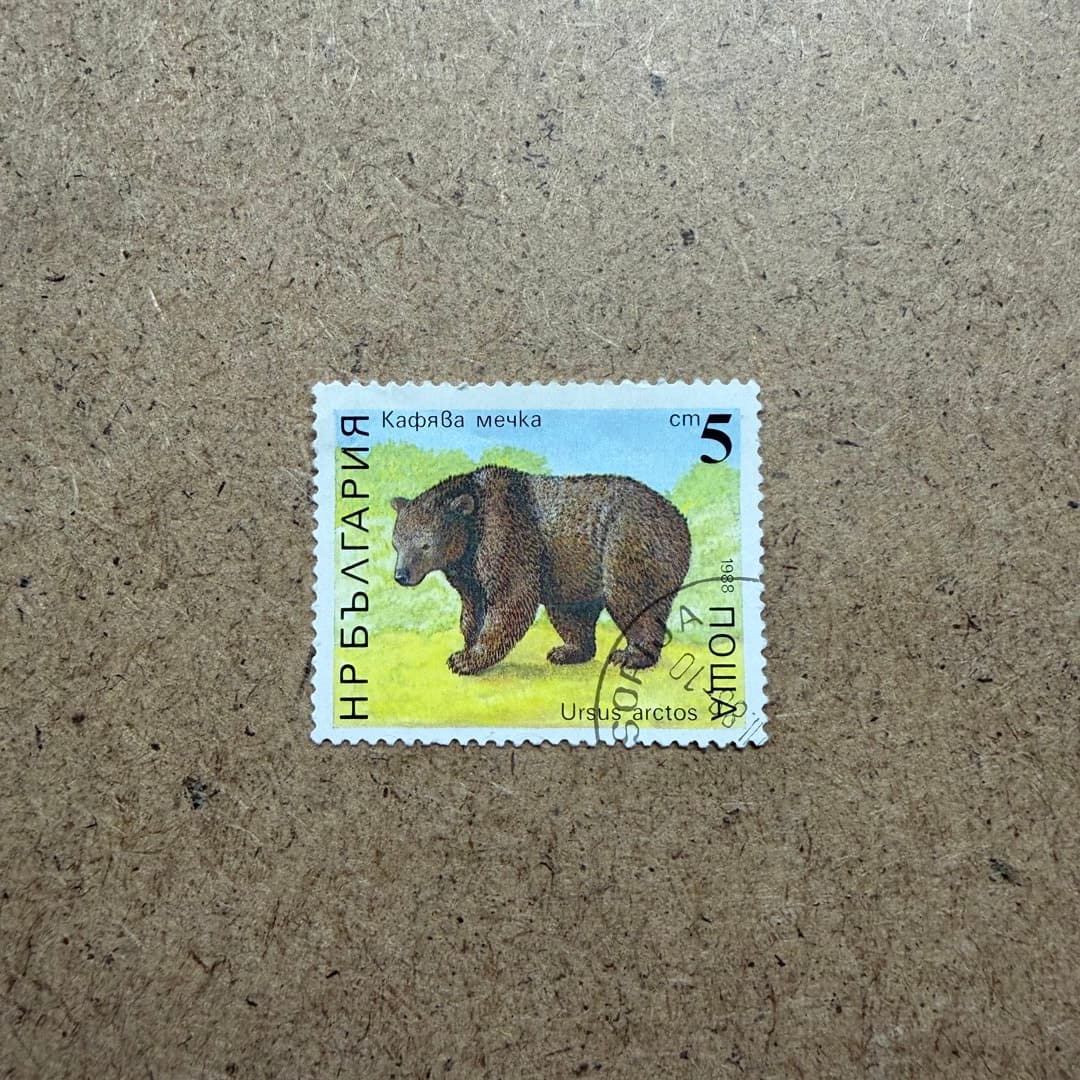
1988г
by milktea
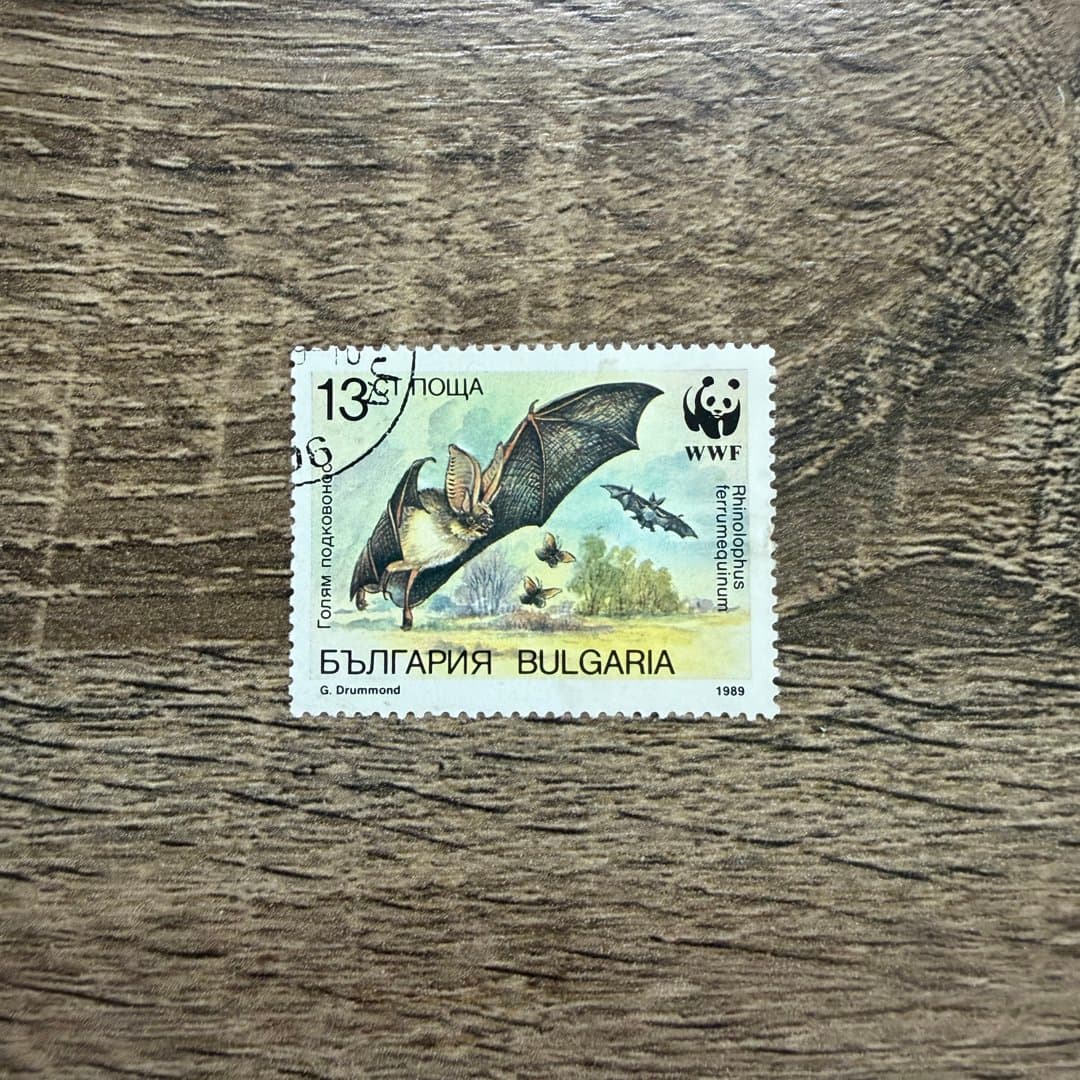
1989г
by milktea
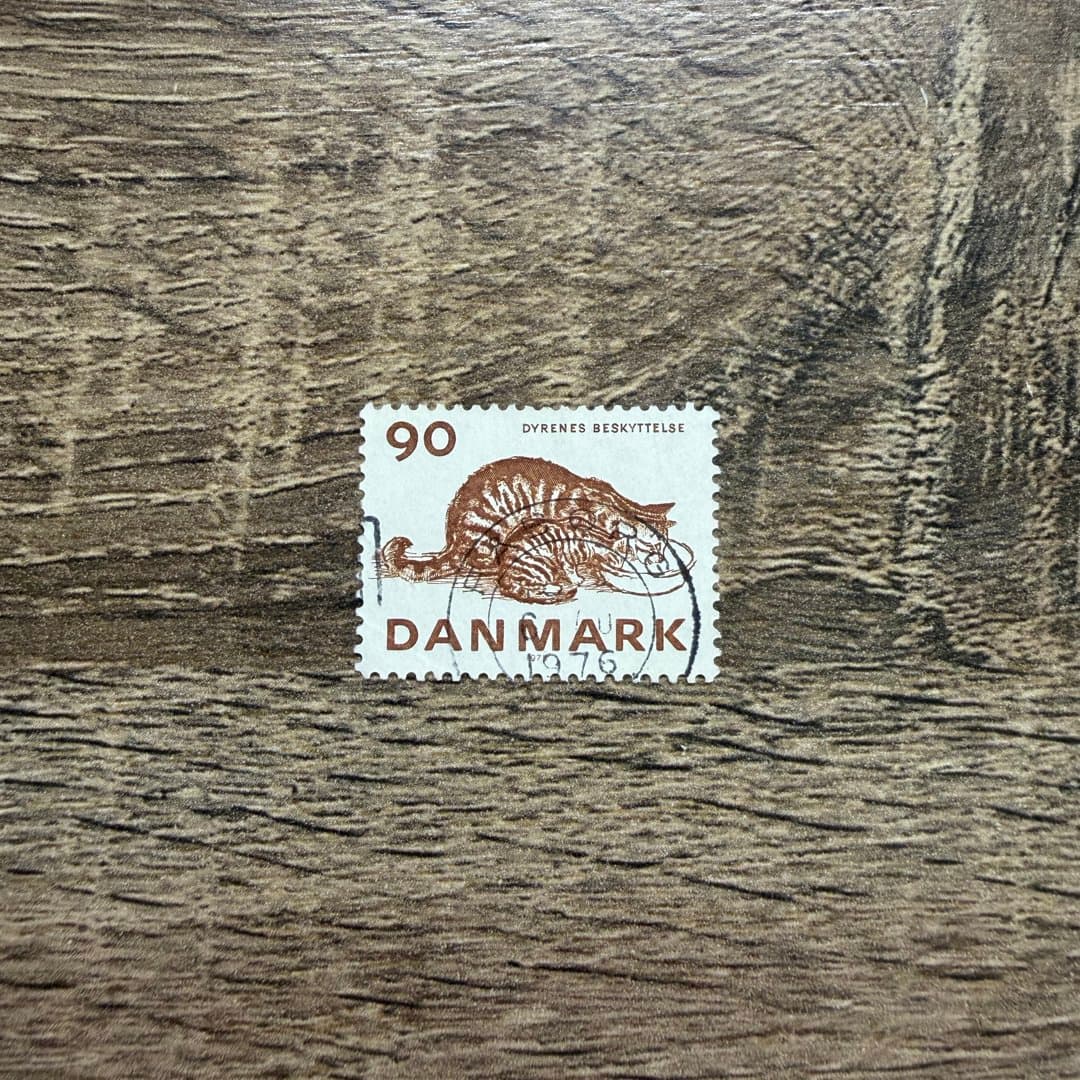
1975г
by milktea
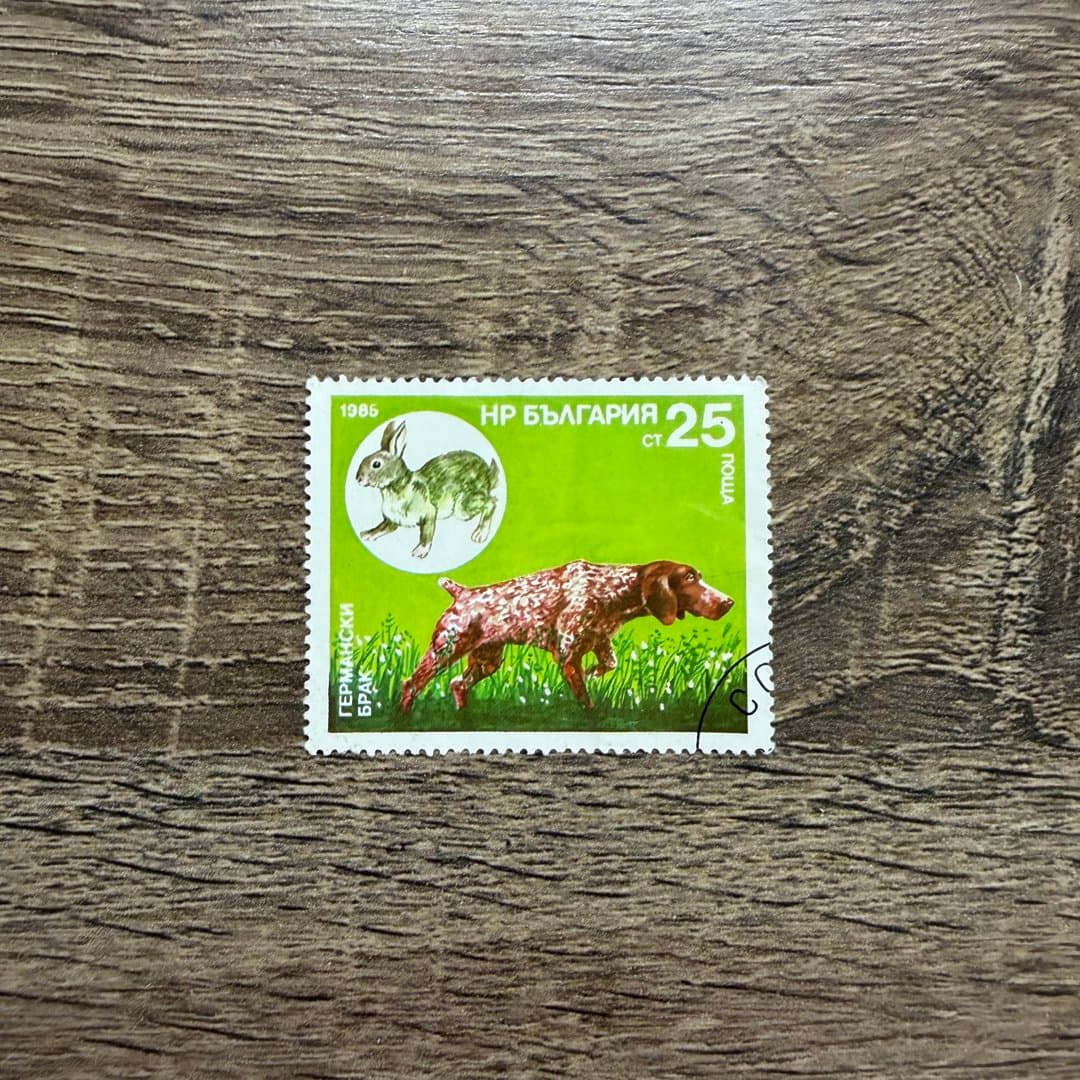
1985г
by milktea
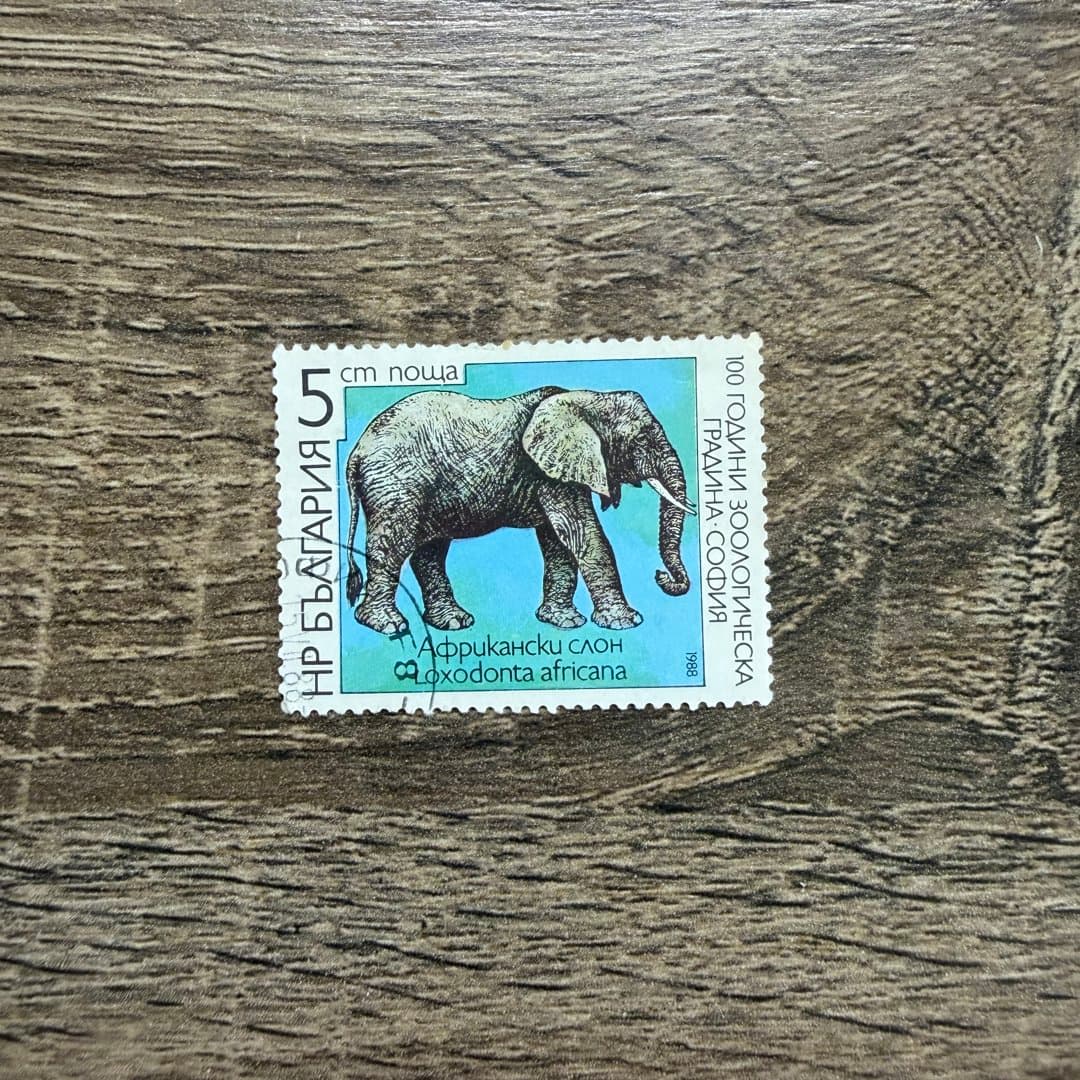
1988г
by milktea
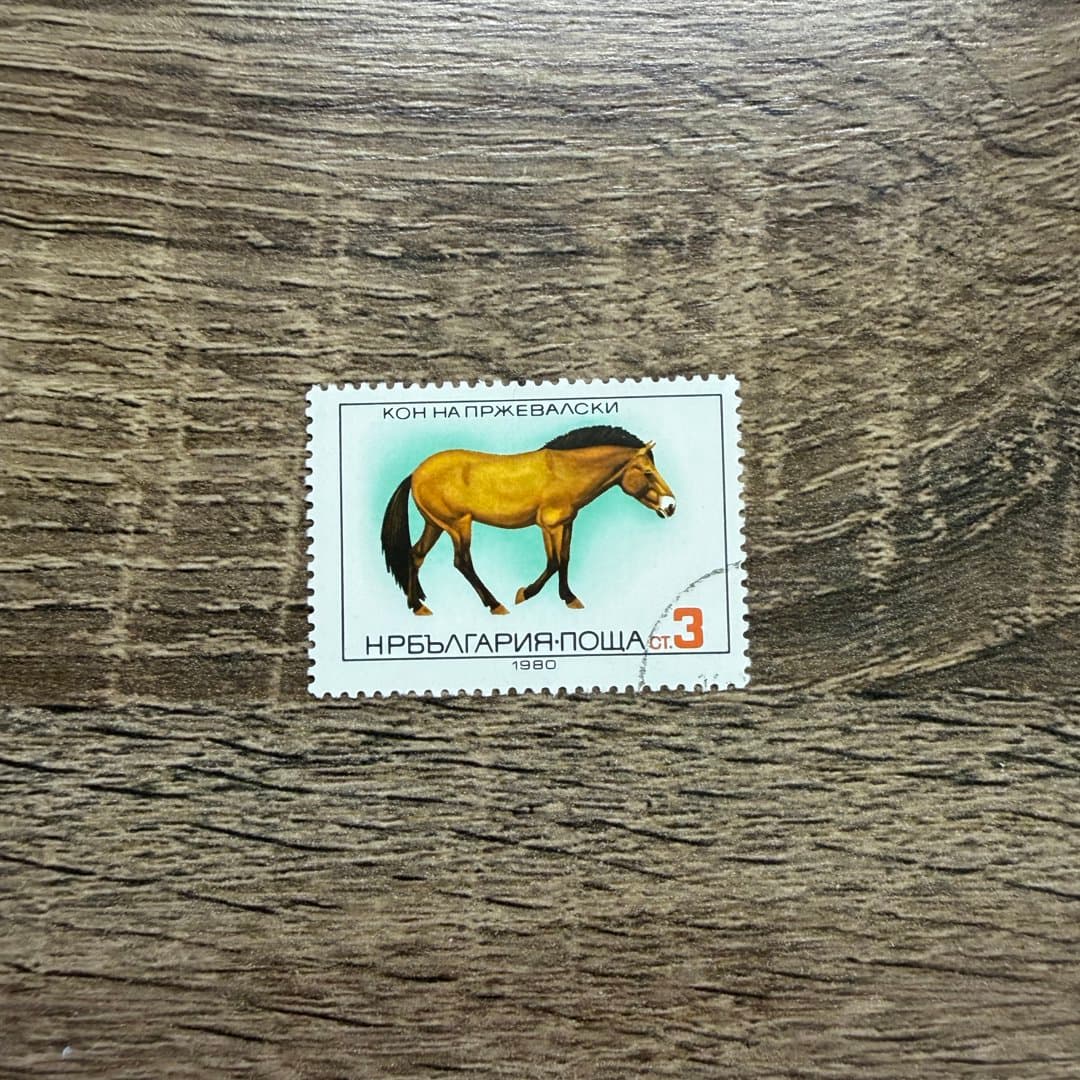
1980г
by milktea
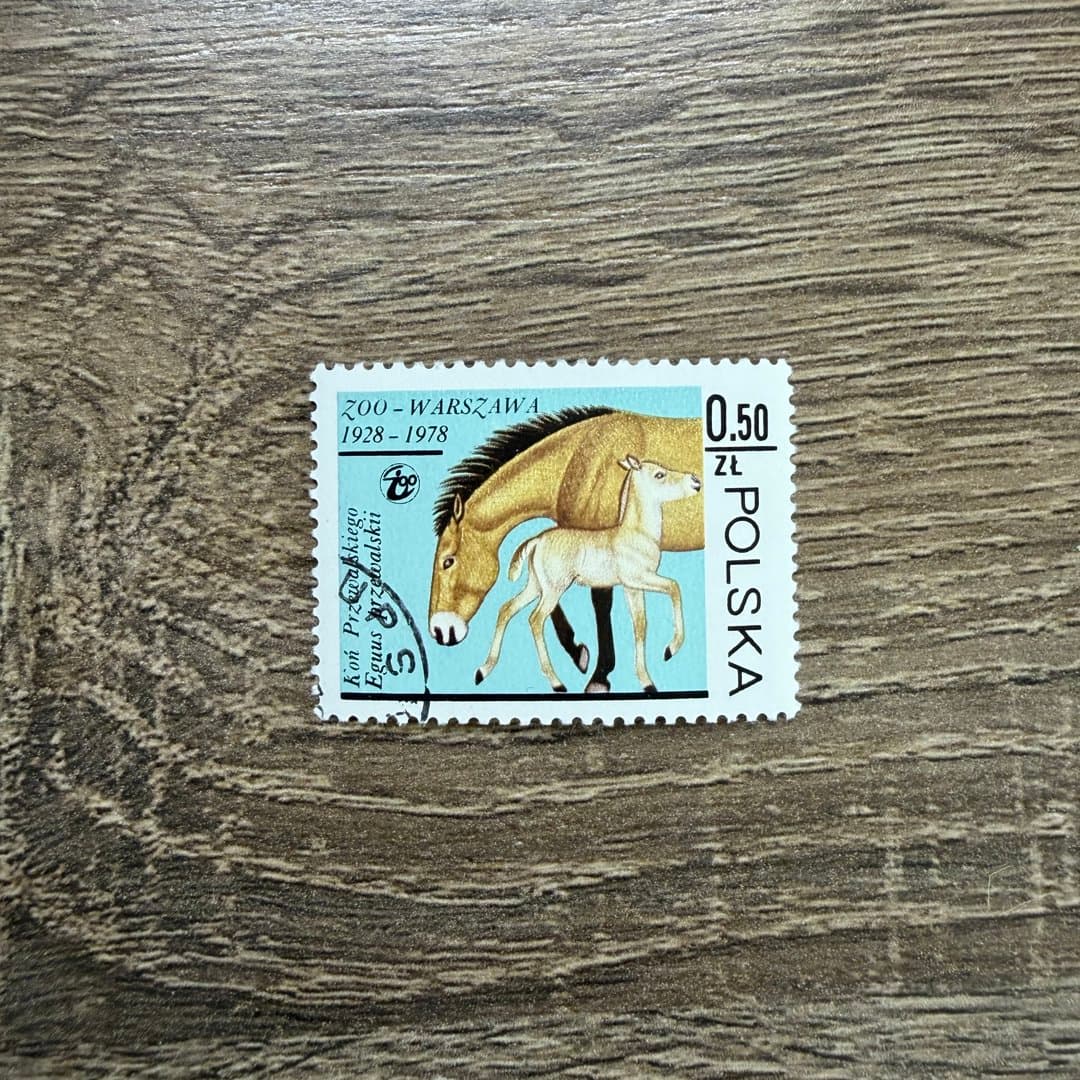
1978г
by milktea
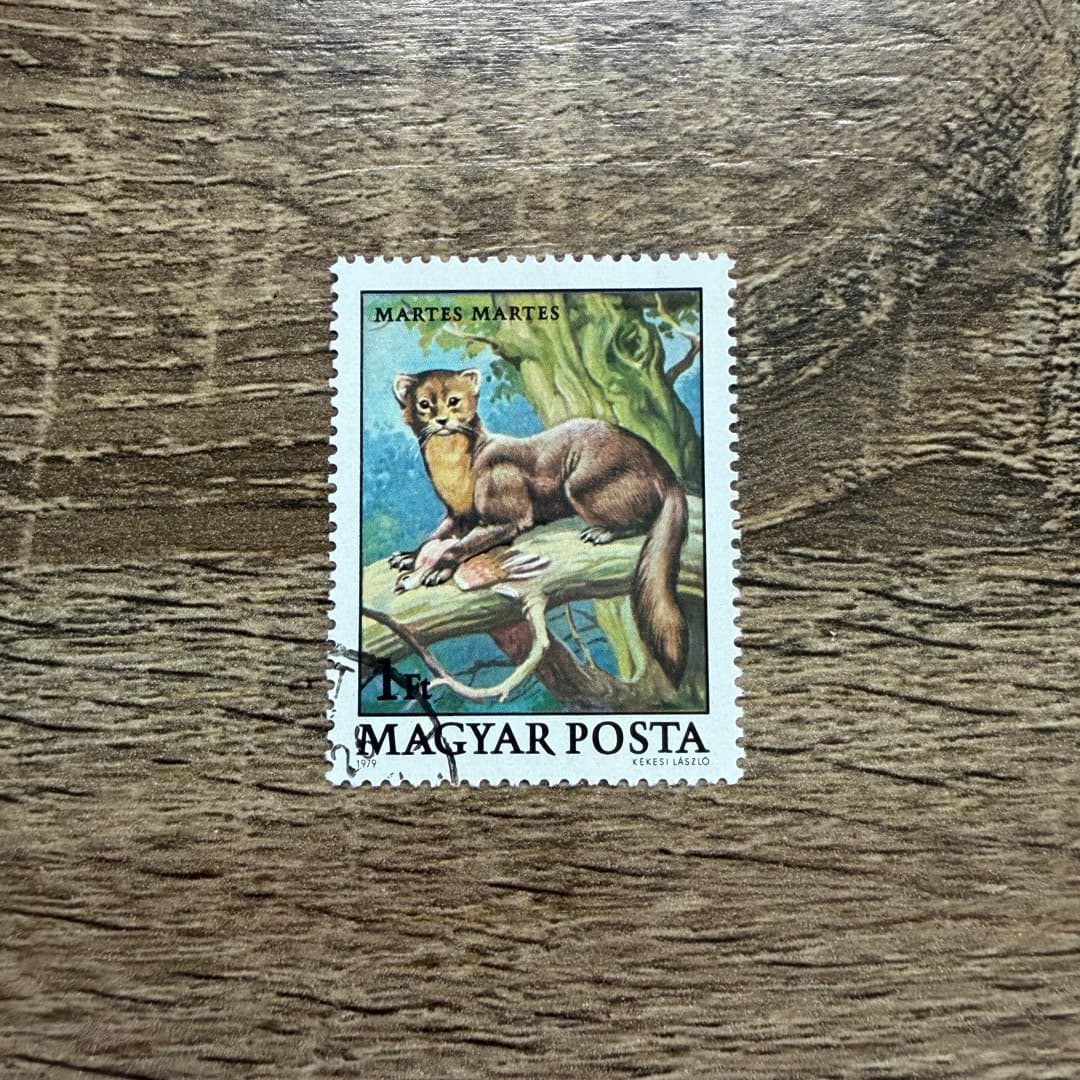
1979г
by milktea
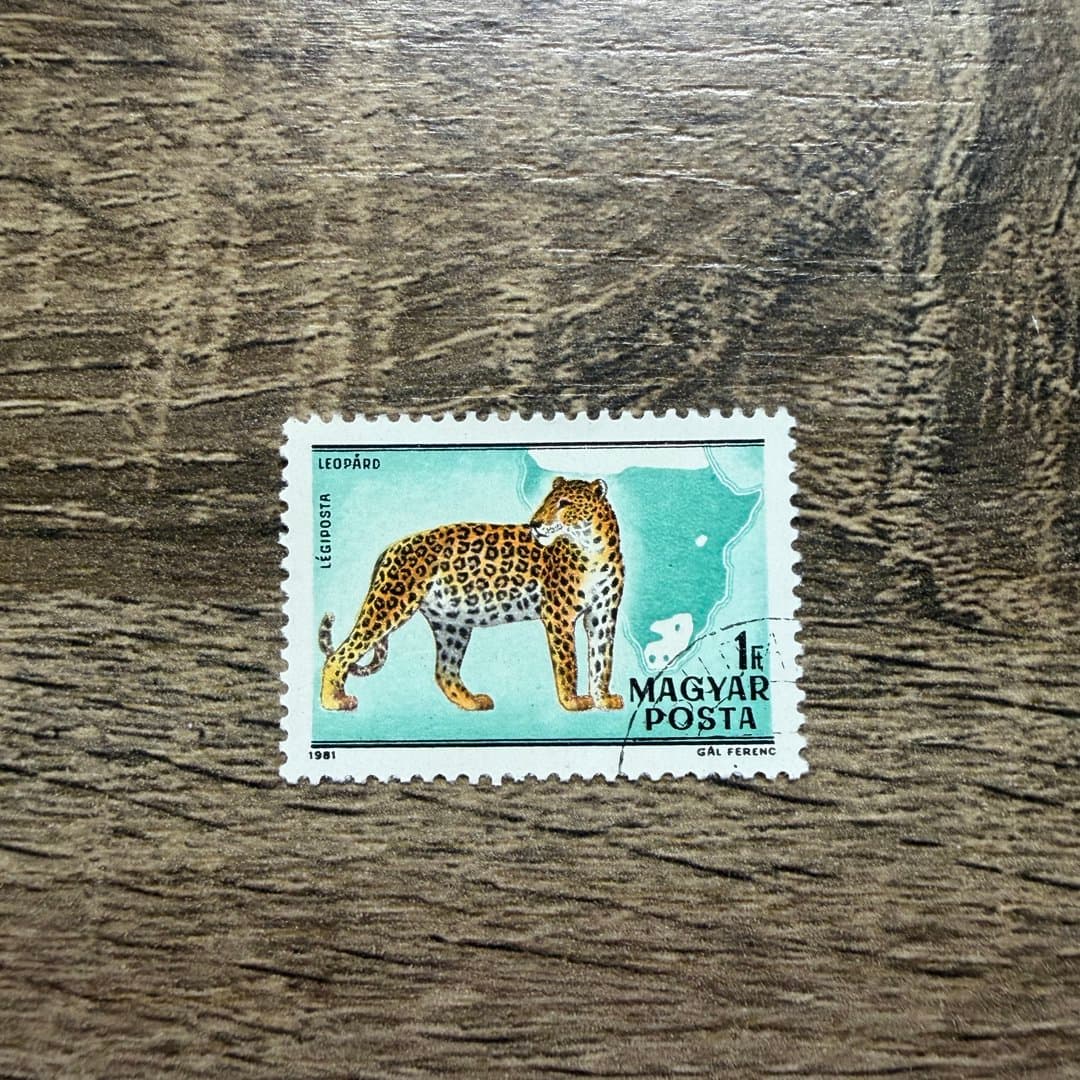
1981г
by milktea
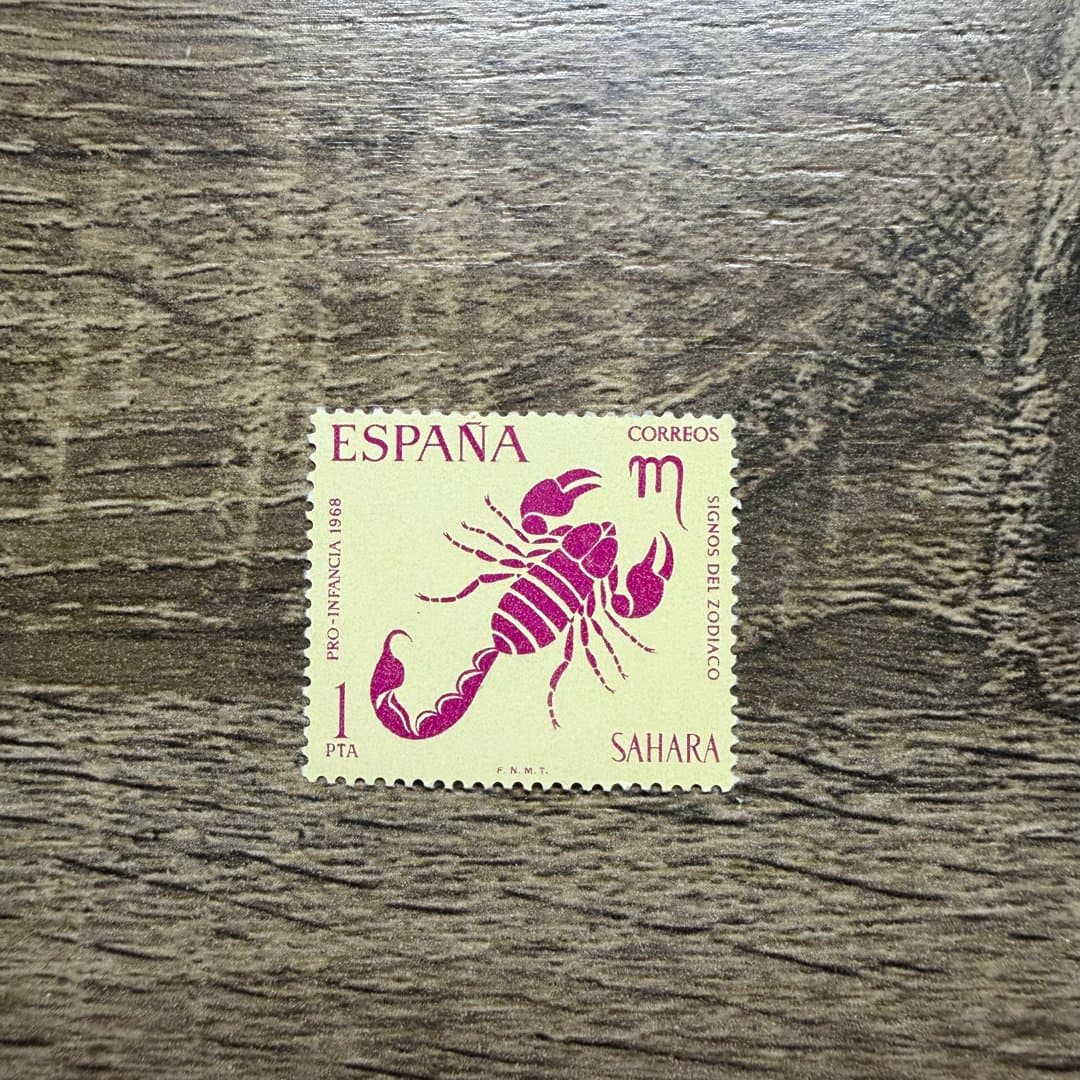
1968г
by milktea
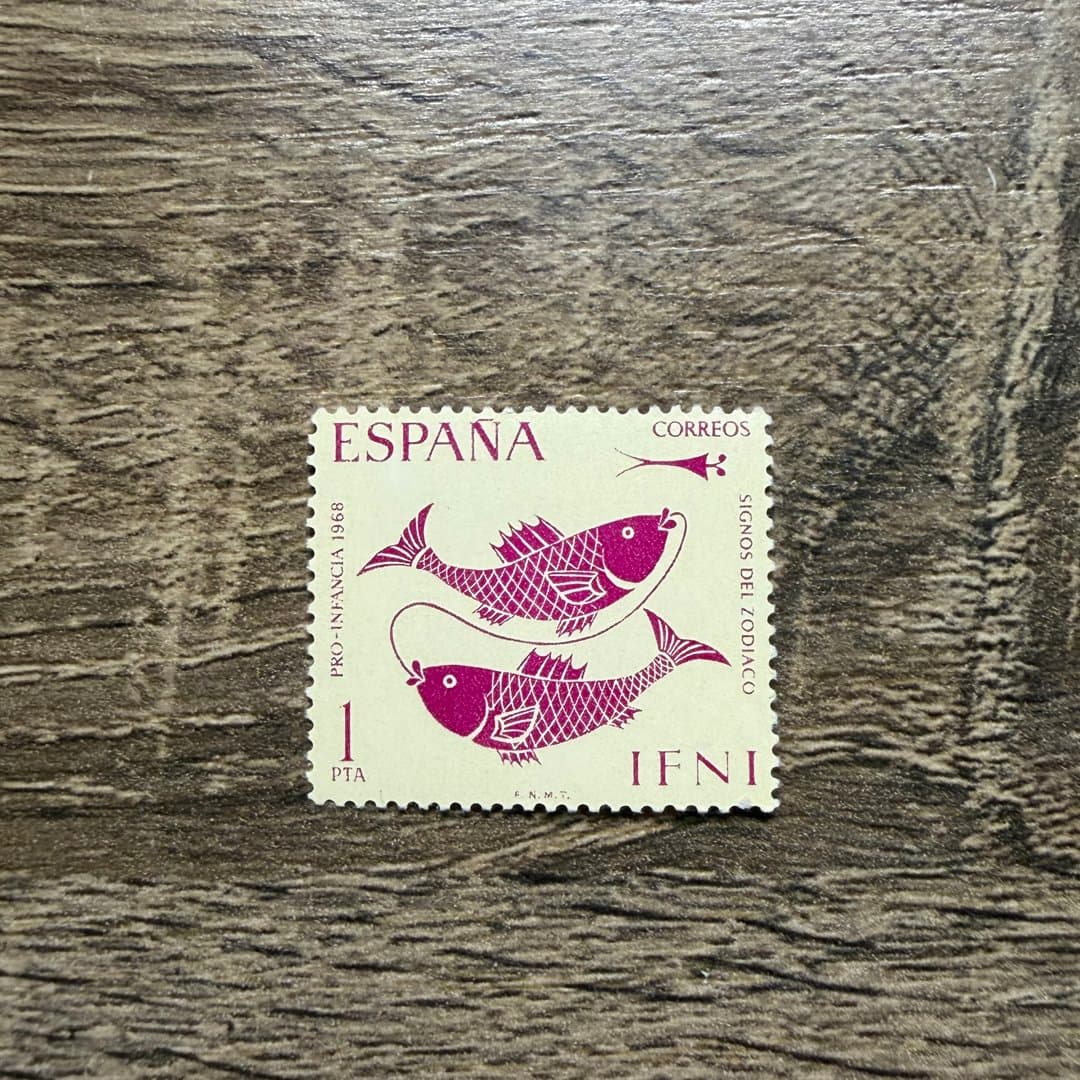
1968г
by milktea
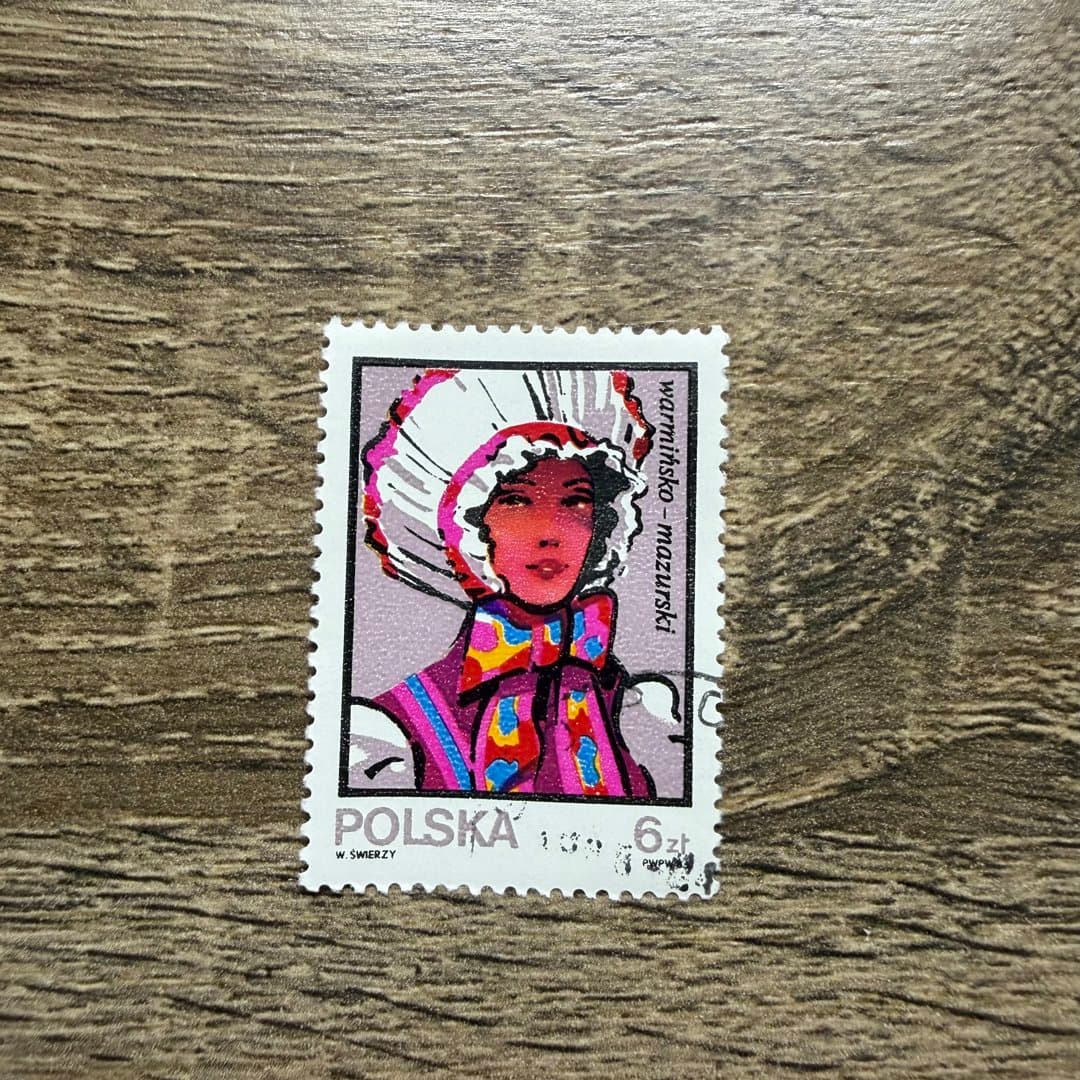
1983г
by milktea
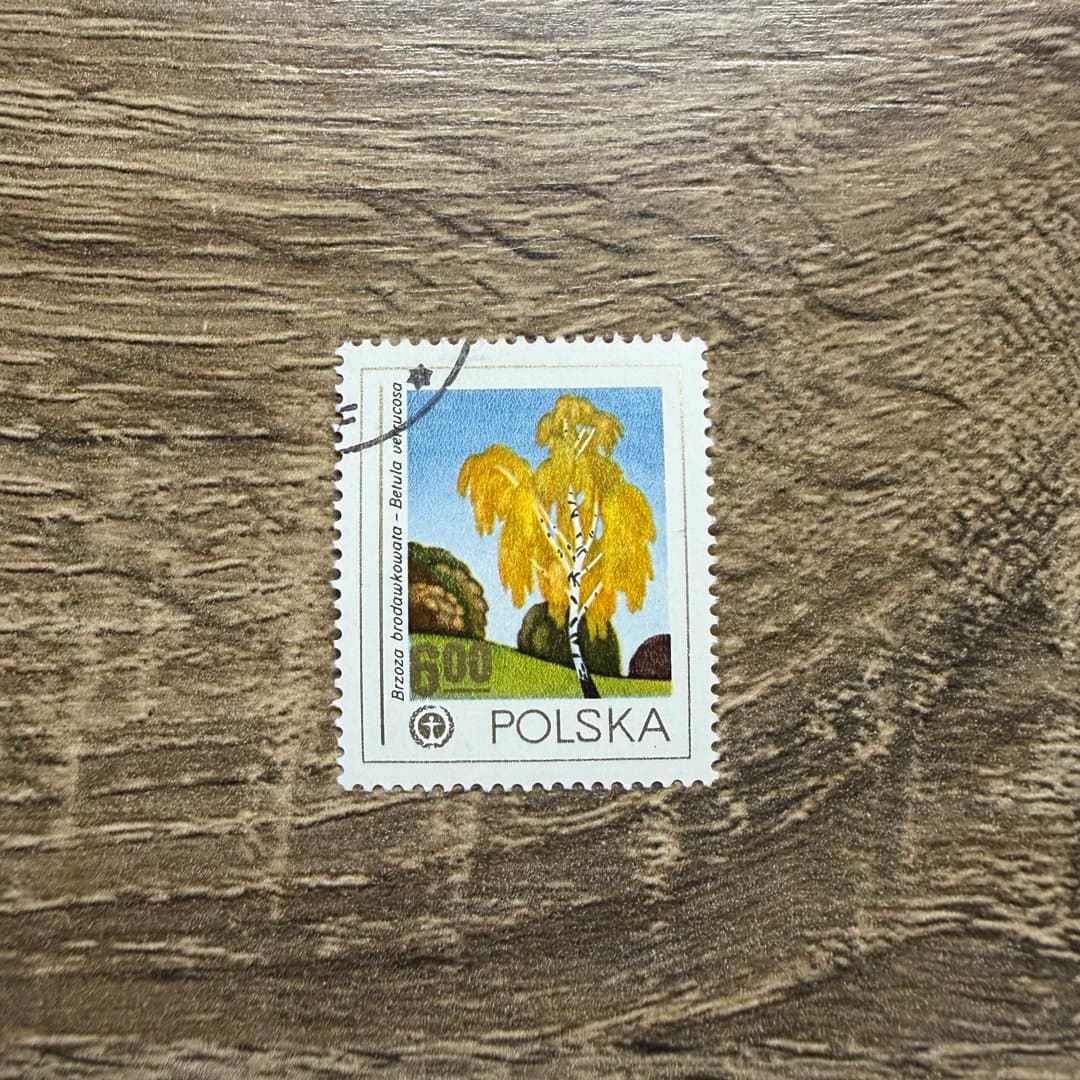
1978г
by milktea
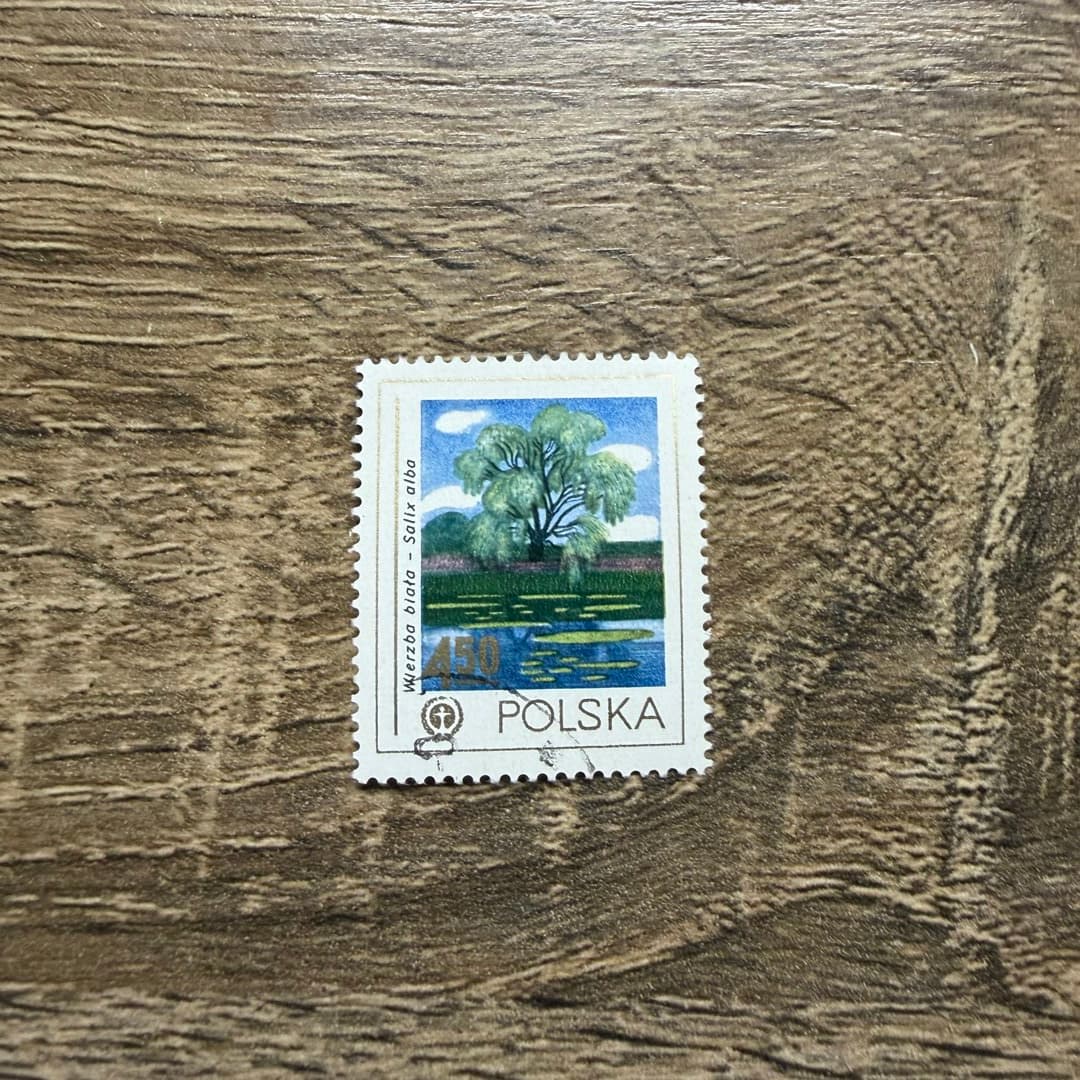
1978г
by milktea
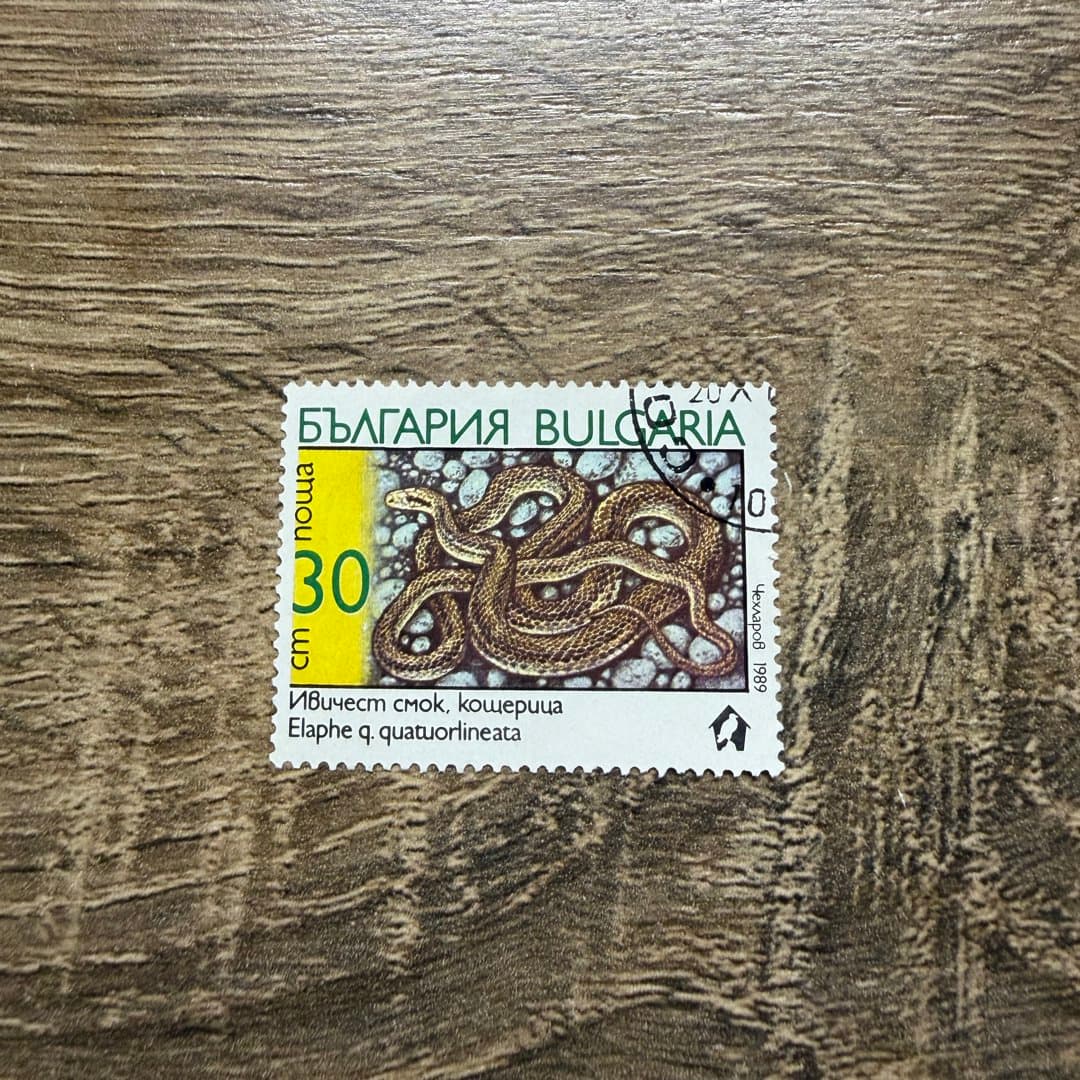
1989г
by milktea
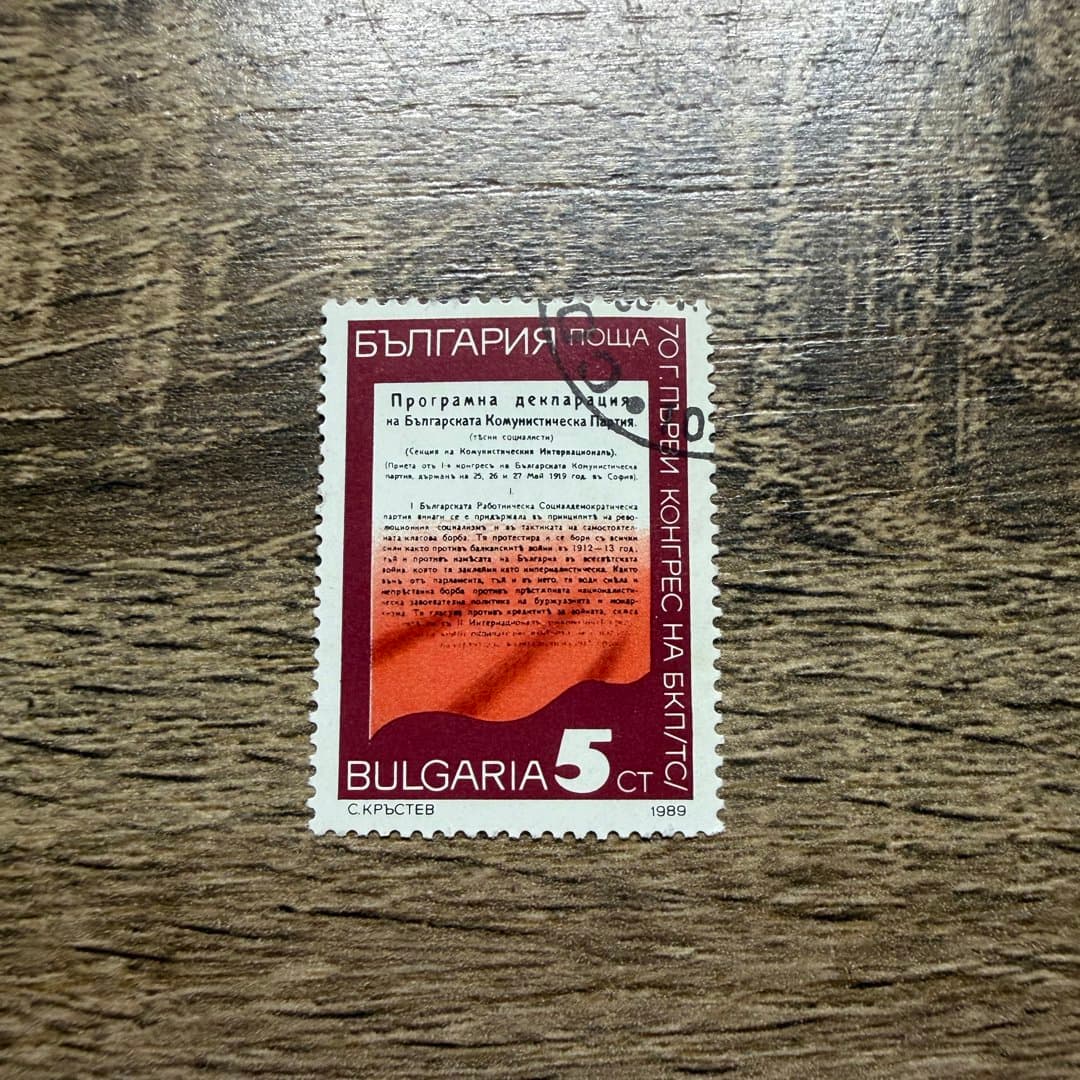
1989г
by milktea
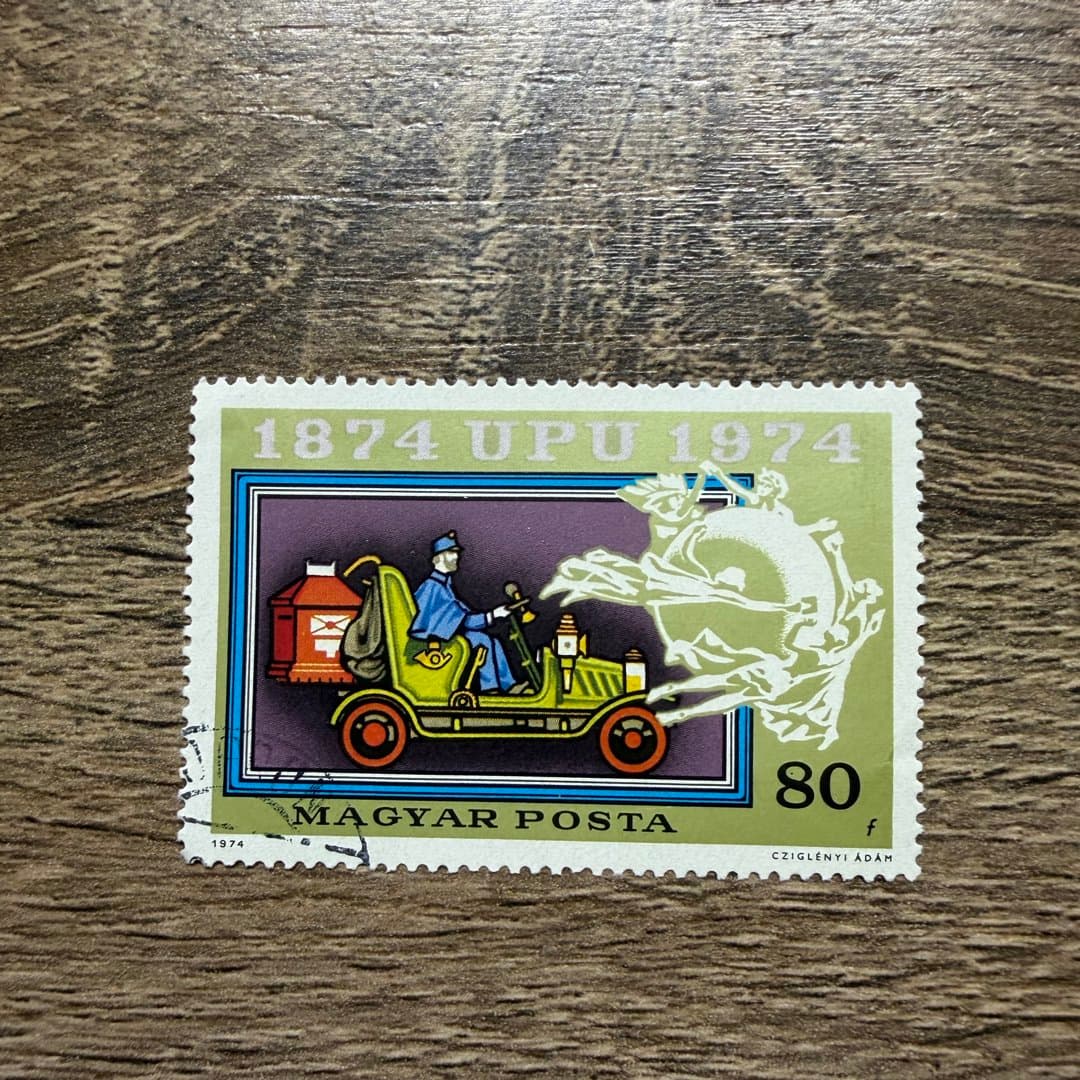
1974г
by milktea
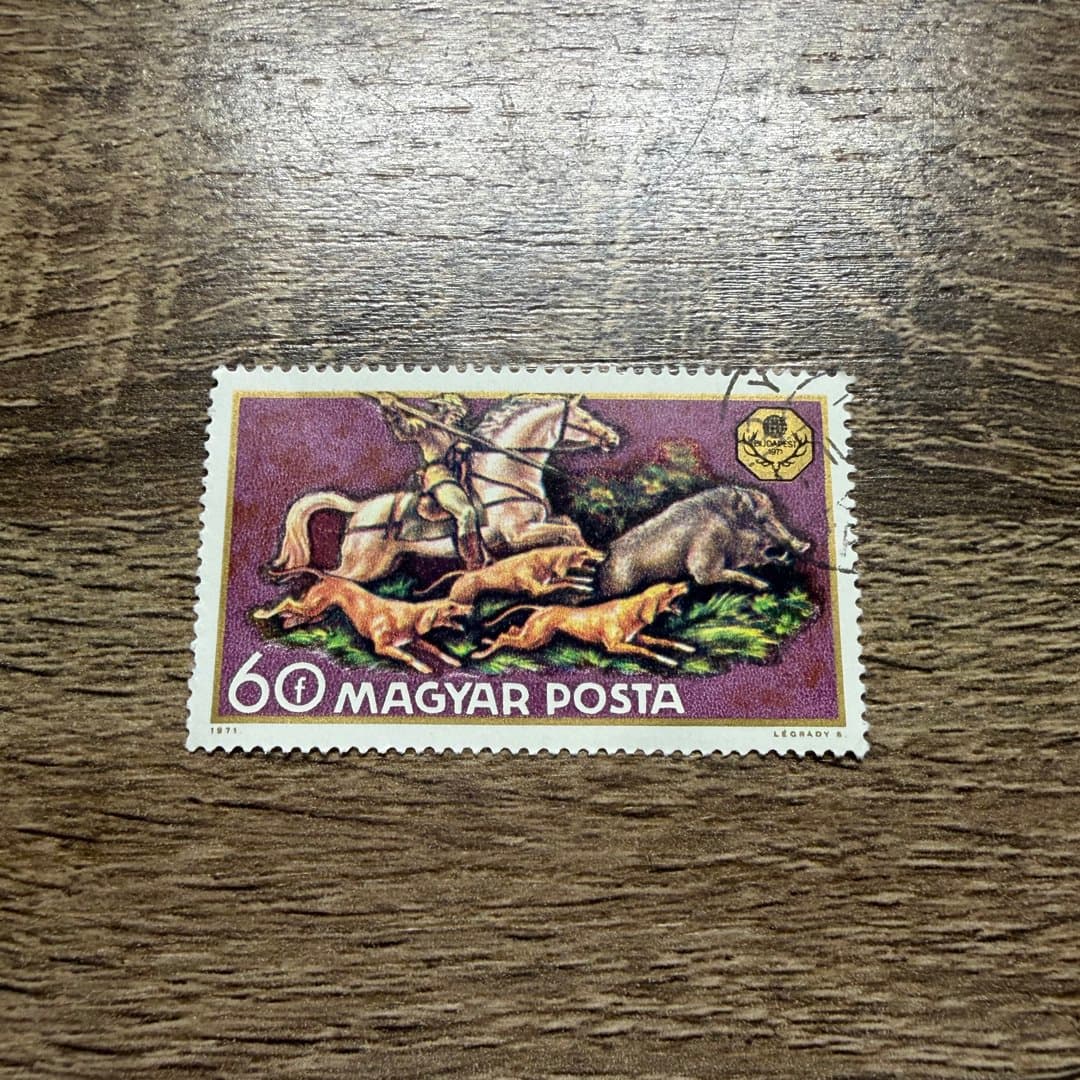
1971г
by milktea
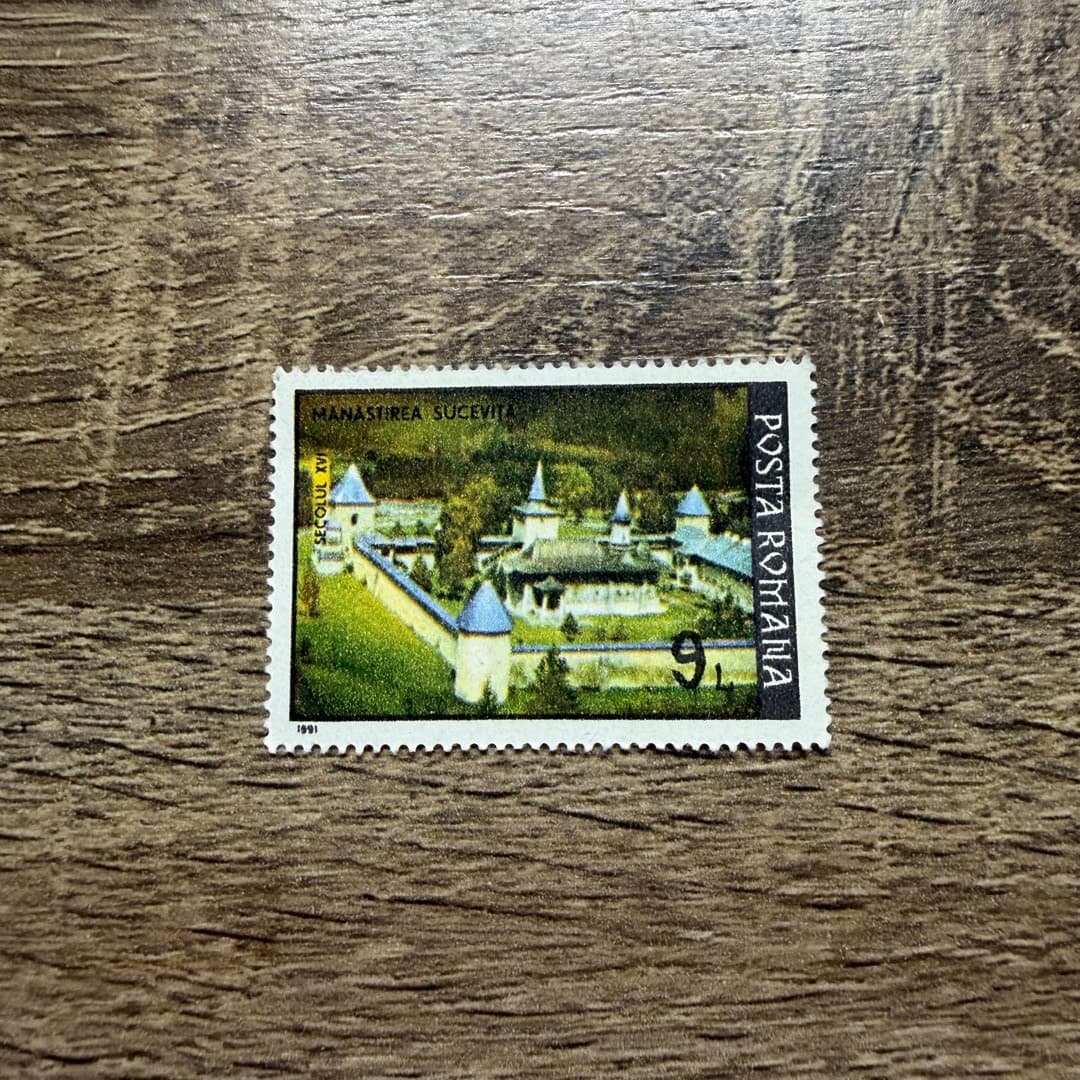
1991г
by milktea
Frequently asked questions
How do I begin collecting stamps from "Other European Countries"?
Start by researching a specific country or theme within this broad category that interests you. Acquire a basic album and acid-free mounts, then focus on identifying and acquiring common issues in good condition to build your initial collection.
What factors significantly influence the value of these stamps?
Rarity, exceptional condition (especially unused, never hinged), historical significance, and current collector demand are primary value determinants. Unique printing errors or unusual postal usages can also substantially increase a stamp's market value.
What are the best practices for storing and preserving stamps from this category?
Store stamps in acid-free albums with archival-safe mounts, away from direct sunlight and extreme temperature fluctuations. Avoid handling stamps directly with bare fingers to prevent oils and dirt from causing irreversible damage.