Wristwatches
Wristwatches represent a fascinating and diverse category for collectors, encompassing a rich history of design and engineering. This hub showcases a wide array of timepieces, from robust automatic movements like the Vintage Seiko 5 and Orient Crystal, to innovative digital marvels such as the Casio calculator watch with TV remote functions and the pioneering Casio e-databank Wrist Camera. Mechanical watches, exemplified by the gold-tone Luch and classic Cortebert TCD Demiryollari, also feature prominently. Collectors are drawn to these pieces for their historical significance, technological advancements, unique aesthetics, and brand heritage. Key aspects collectors meticulously track include the watch's overall condition—case integrity, crystal clarity, movement originality, and strap/bracelet authenticity. Rarity, specific editions, and unique variants significantly impact collectibility. Proper storage in a stable environment is crucial for preserving both functionality and appearance, ensuring these horological treasures endure.
Wristwatches
14 items in this category

Vintage Seiko 5 automatic watch with a distinctive square case and metal bracelet.
by WatchPro

Vintage Casio watch with calculator, alarm, chronograph, and universal TV remote functions.
by WatchPro

Vintage Casio e-databank Wrist Camera digital watch with camera function.
by WatchPro
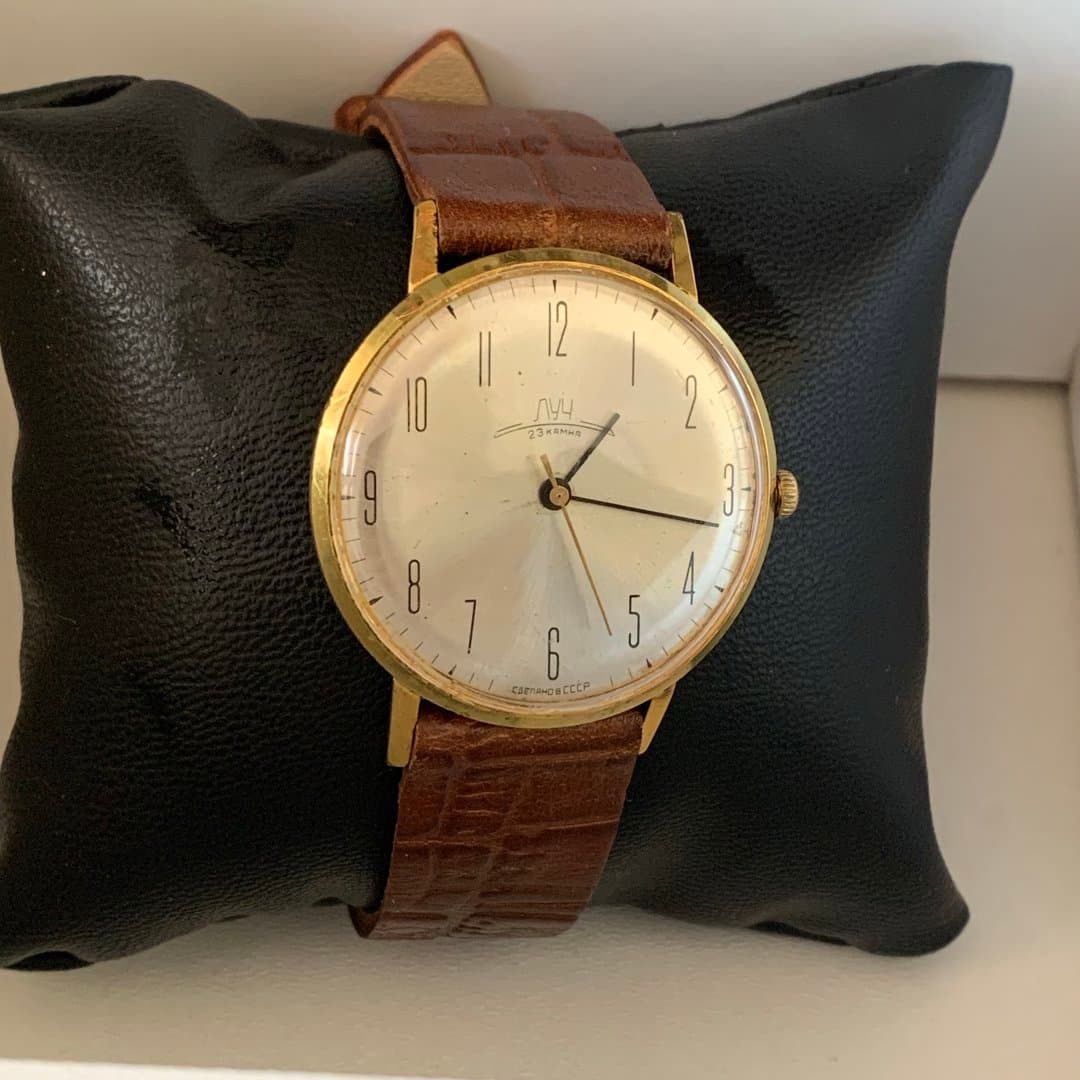
Vintage gold-tone Luch 23 jewels mechanical watch, Made in USSR, with brown leather strap.
by WatchPro
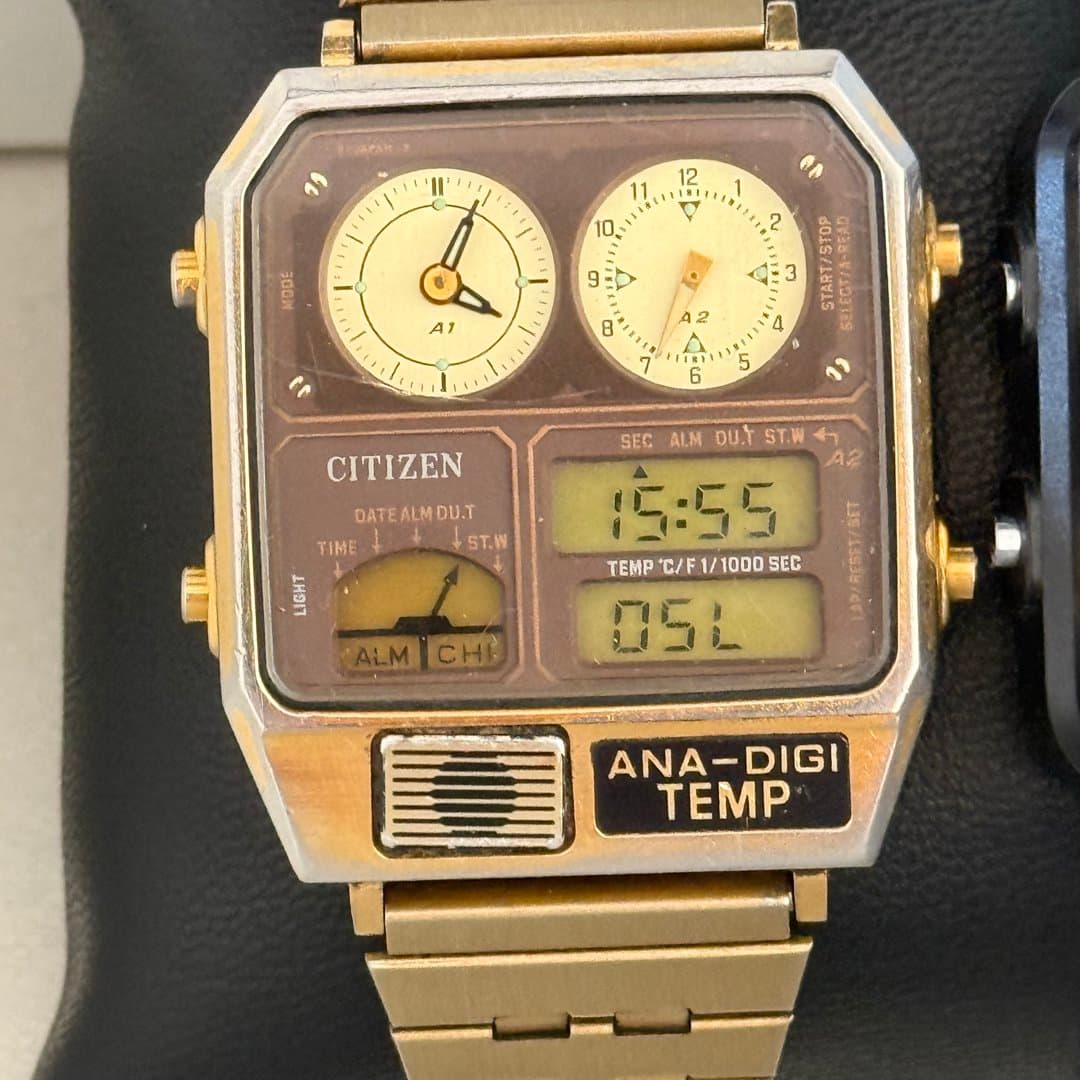
Vintage gold Citizen Ana-Digi Temp watch with dual analog and digital displays and thermometer.
by WatchPro
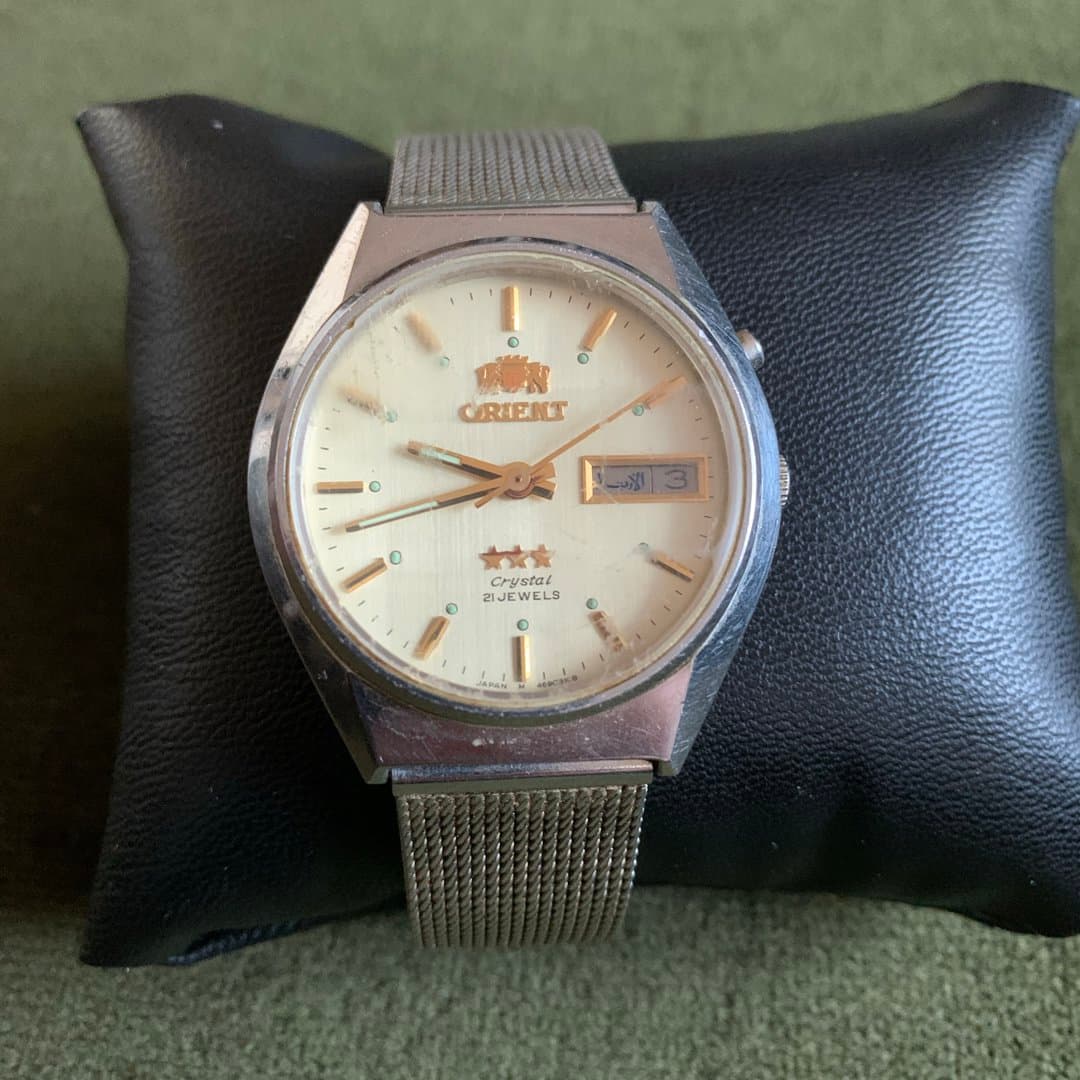
Vintage Orient Crystal 21 Jewels automatic watch with day-date, Arabic day, and mesh bracelet.
by WatchPro
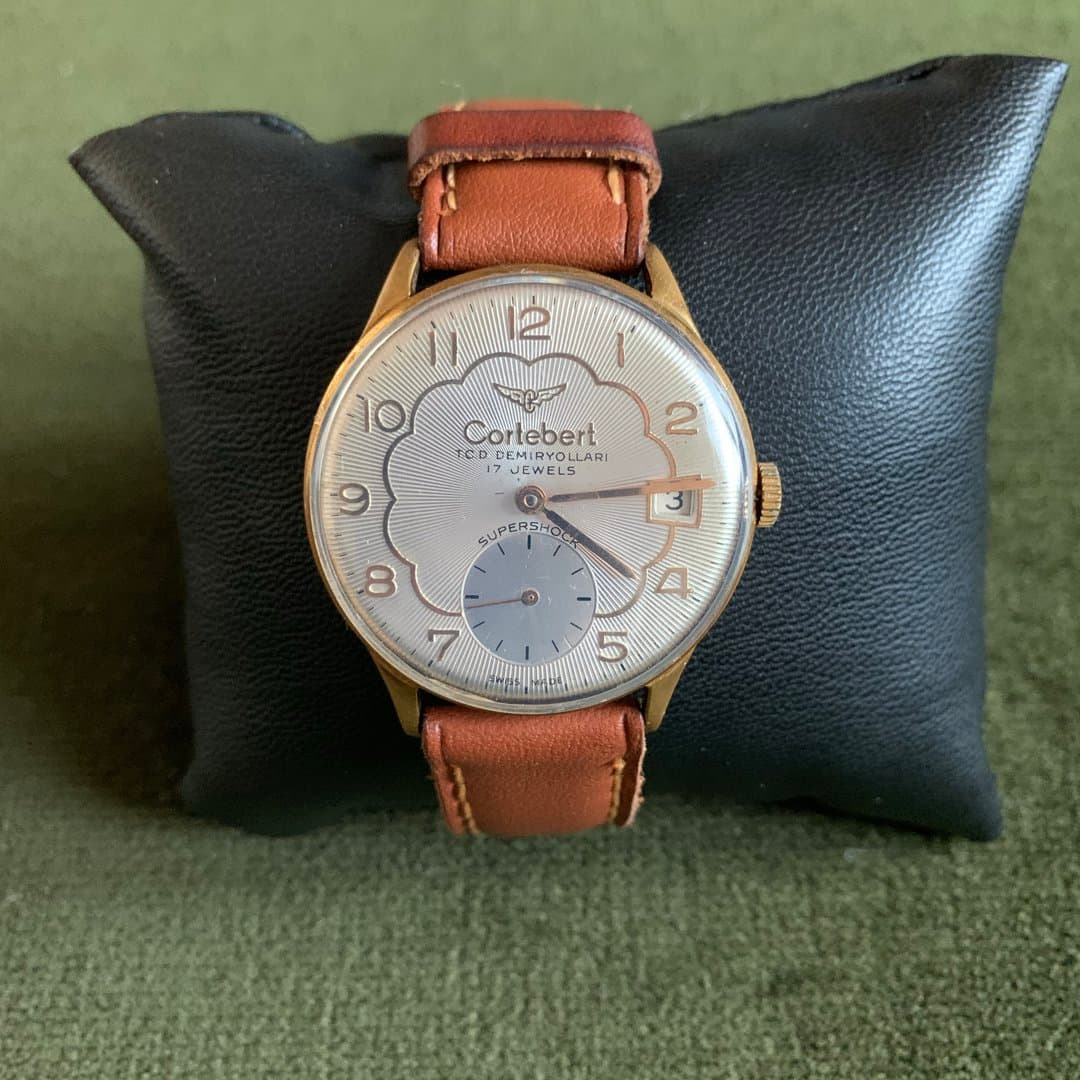
Classic Cortebert TCD Demiryollari 17 Jewels Swiss Made mechanical watch.
by WatchPro
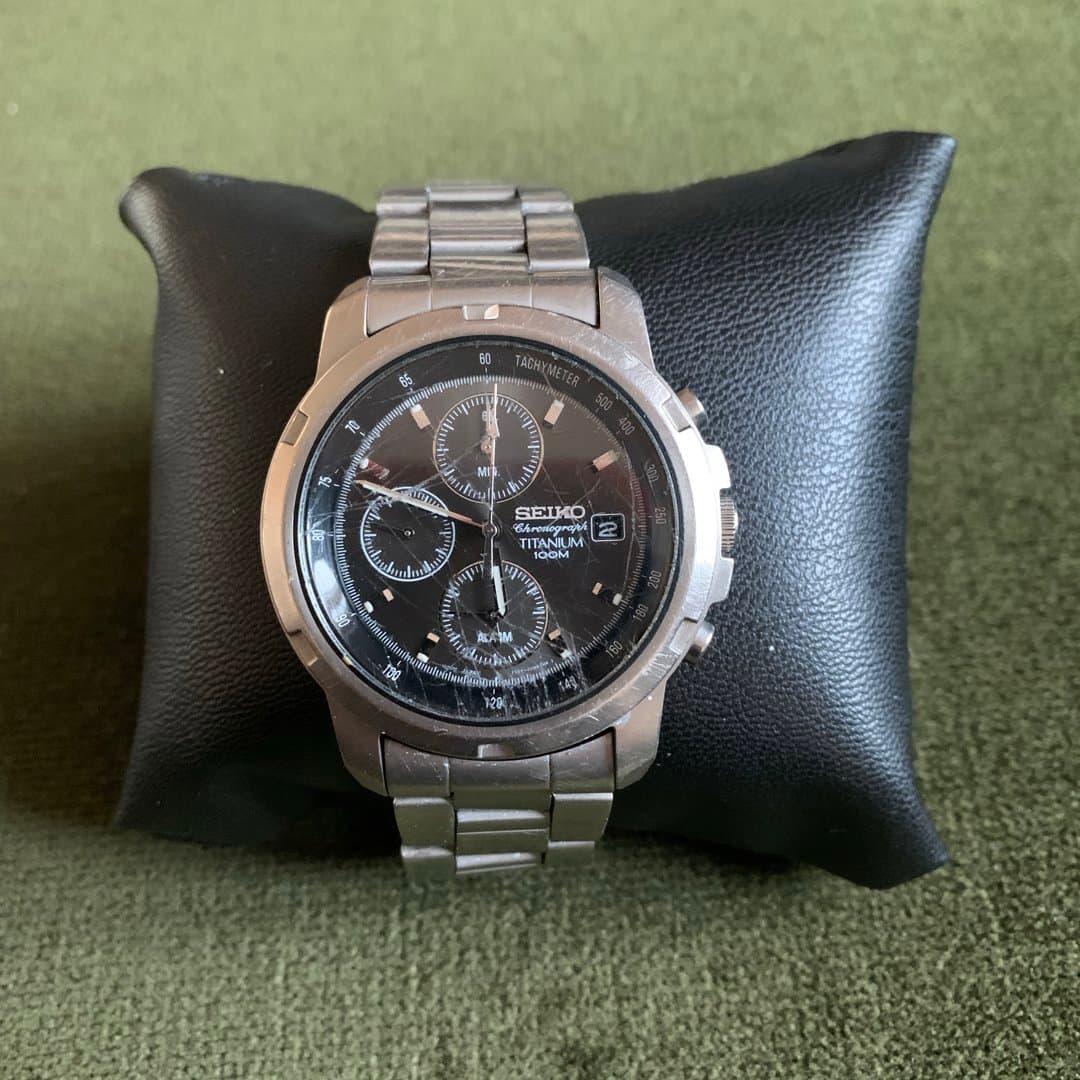
Seiko Chronograph Titanium 100M watch with black dial, metal bracelet, and tachymeter.
by WatchPro
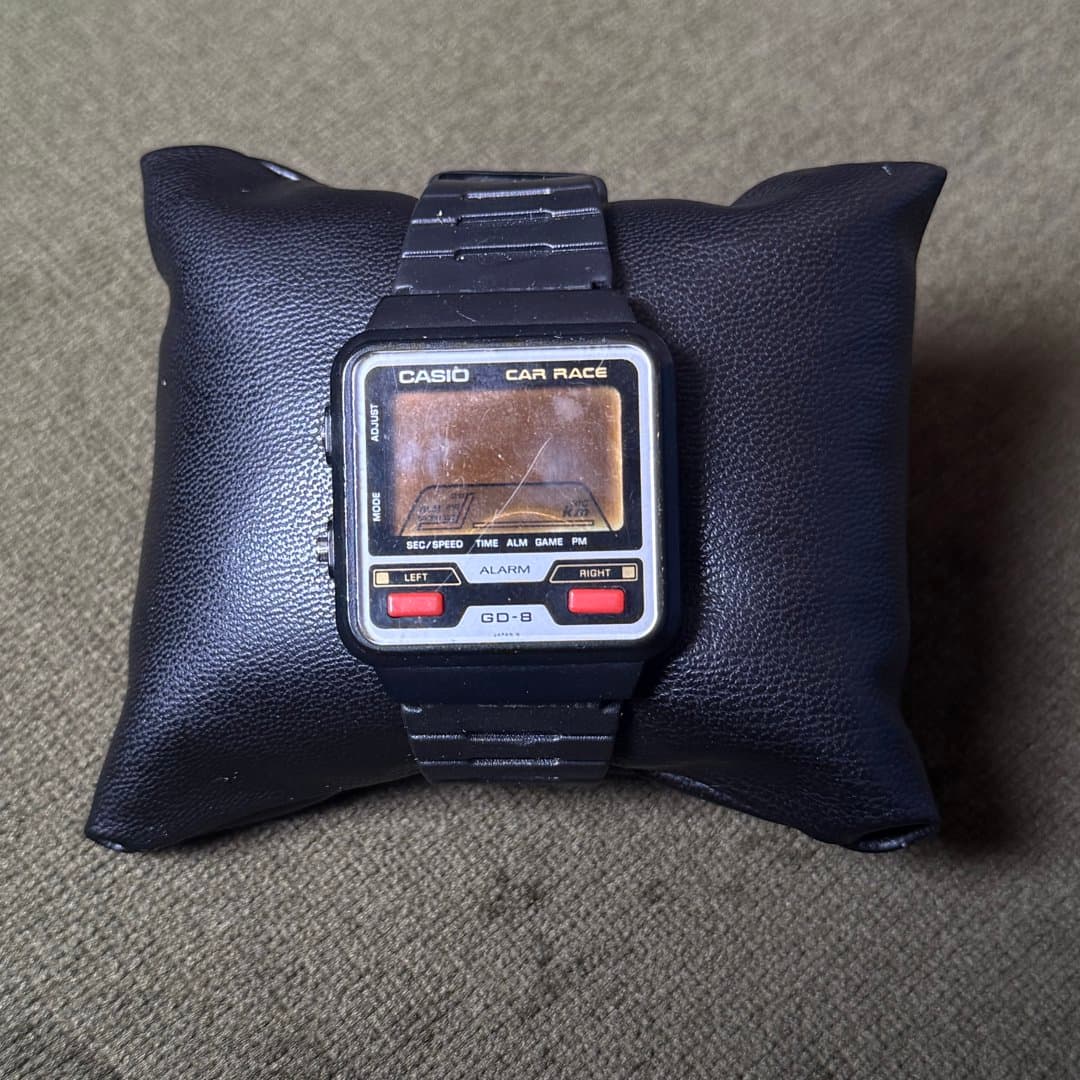
Casio GD-8 Car Race digital watch with a retro racing game display.
by WatchPro
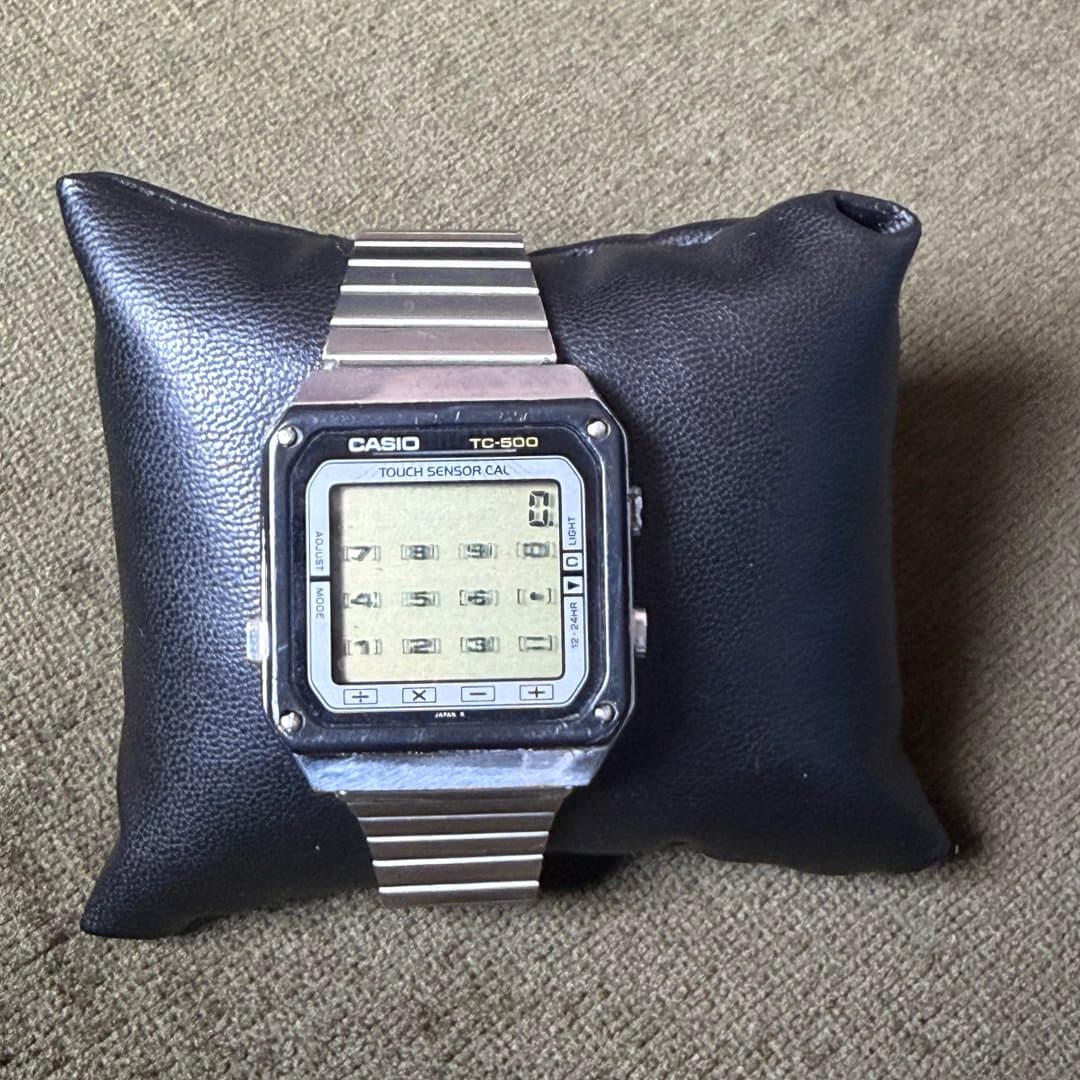
Casio TC-500 touch sensor digital watch with metal band.
by WatchPro
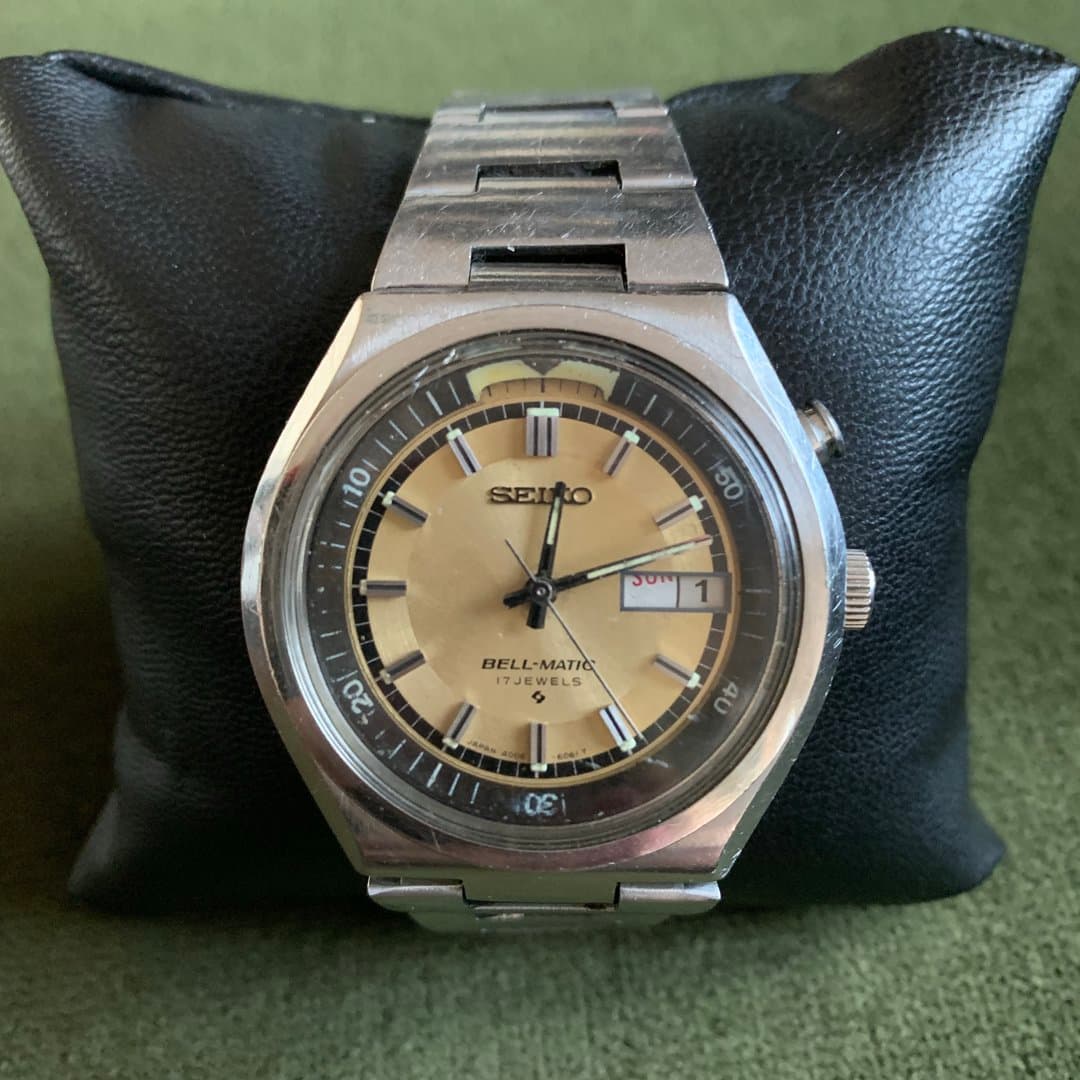
Seiko Bell-Matic 17 Jewels automatic alarm wristwatch with day-date display.
by WatchPro
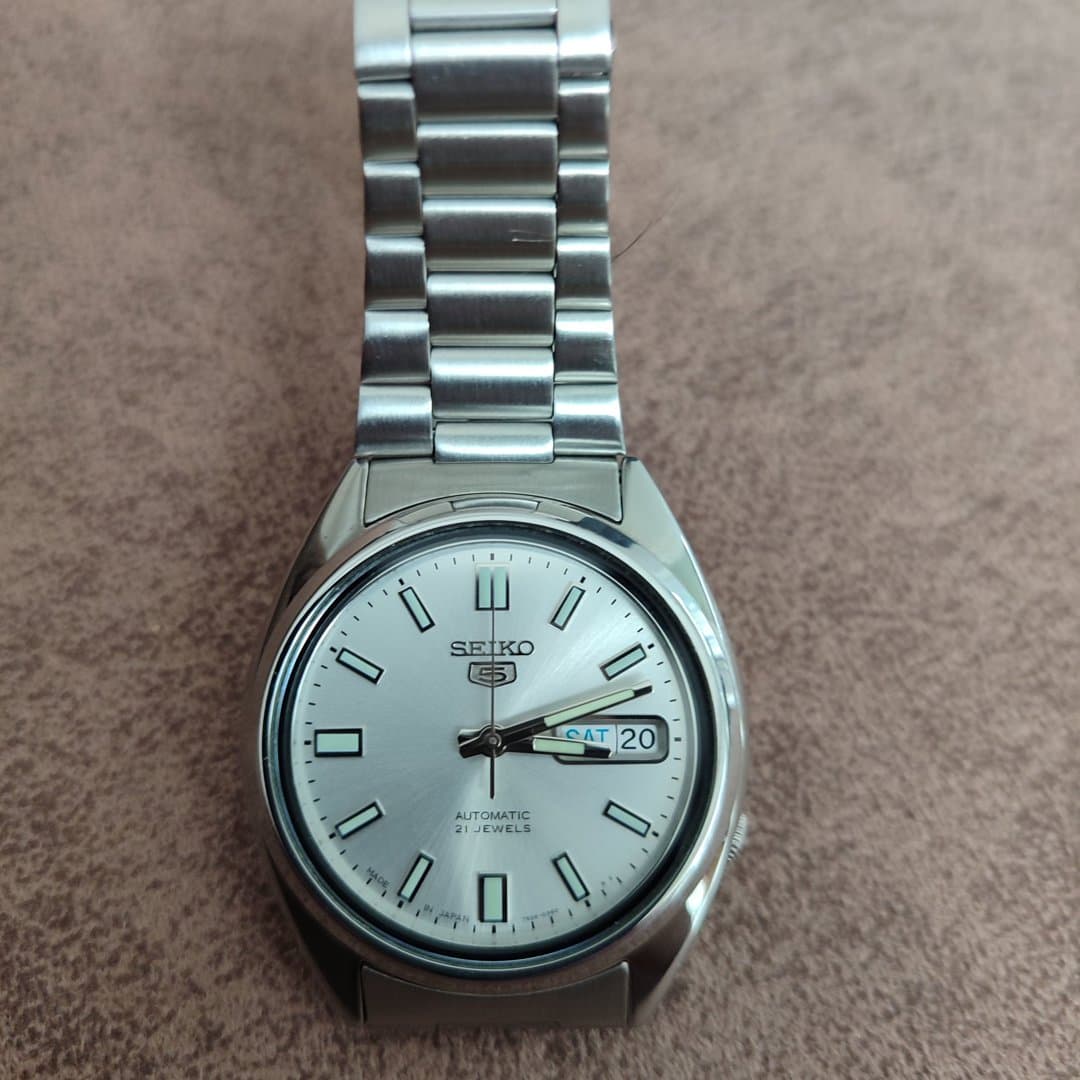
Seiko 5 SNXS73J
by ozgh
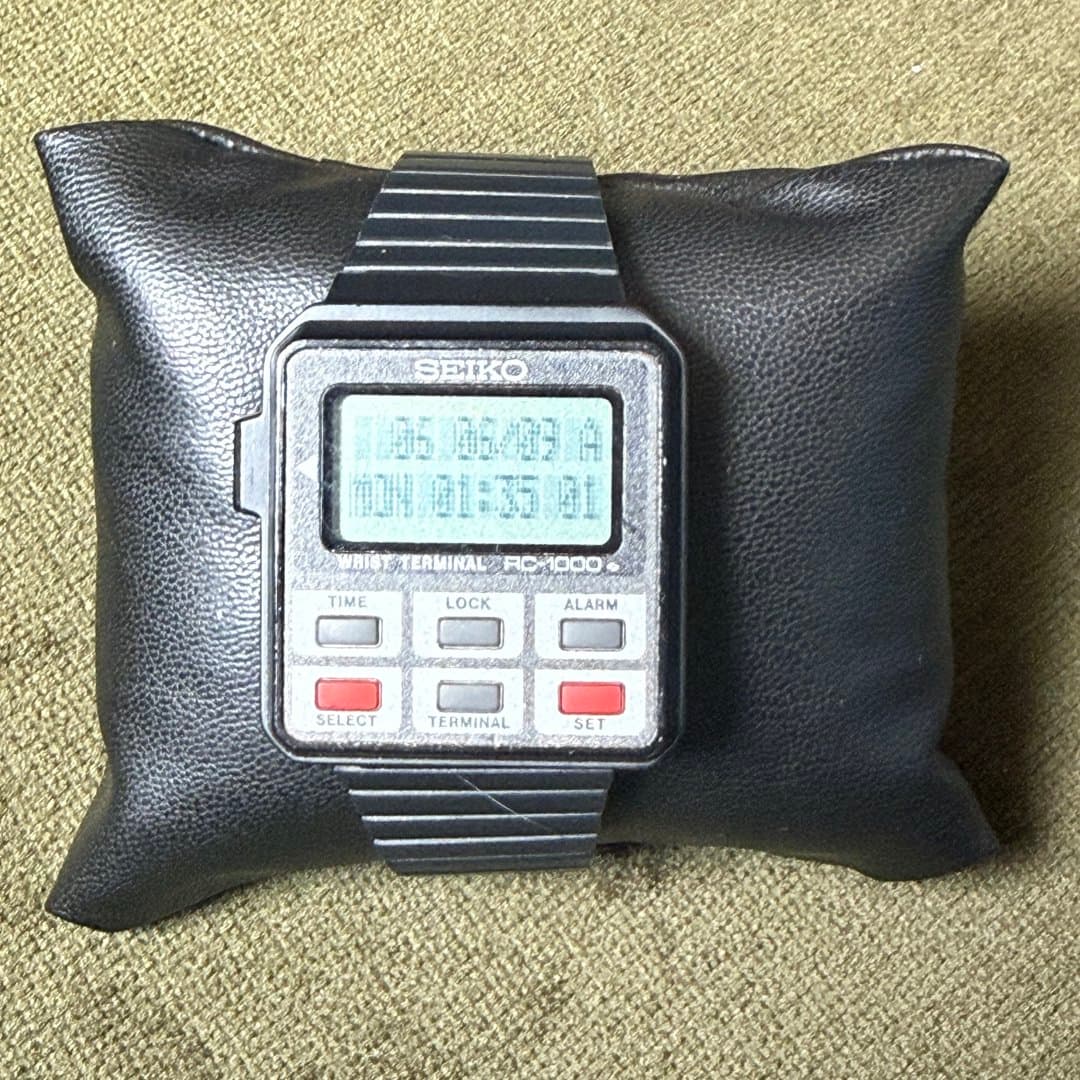
Seiko RC-1000 Wrist Terminal watch.
by WatchPro
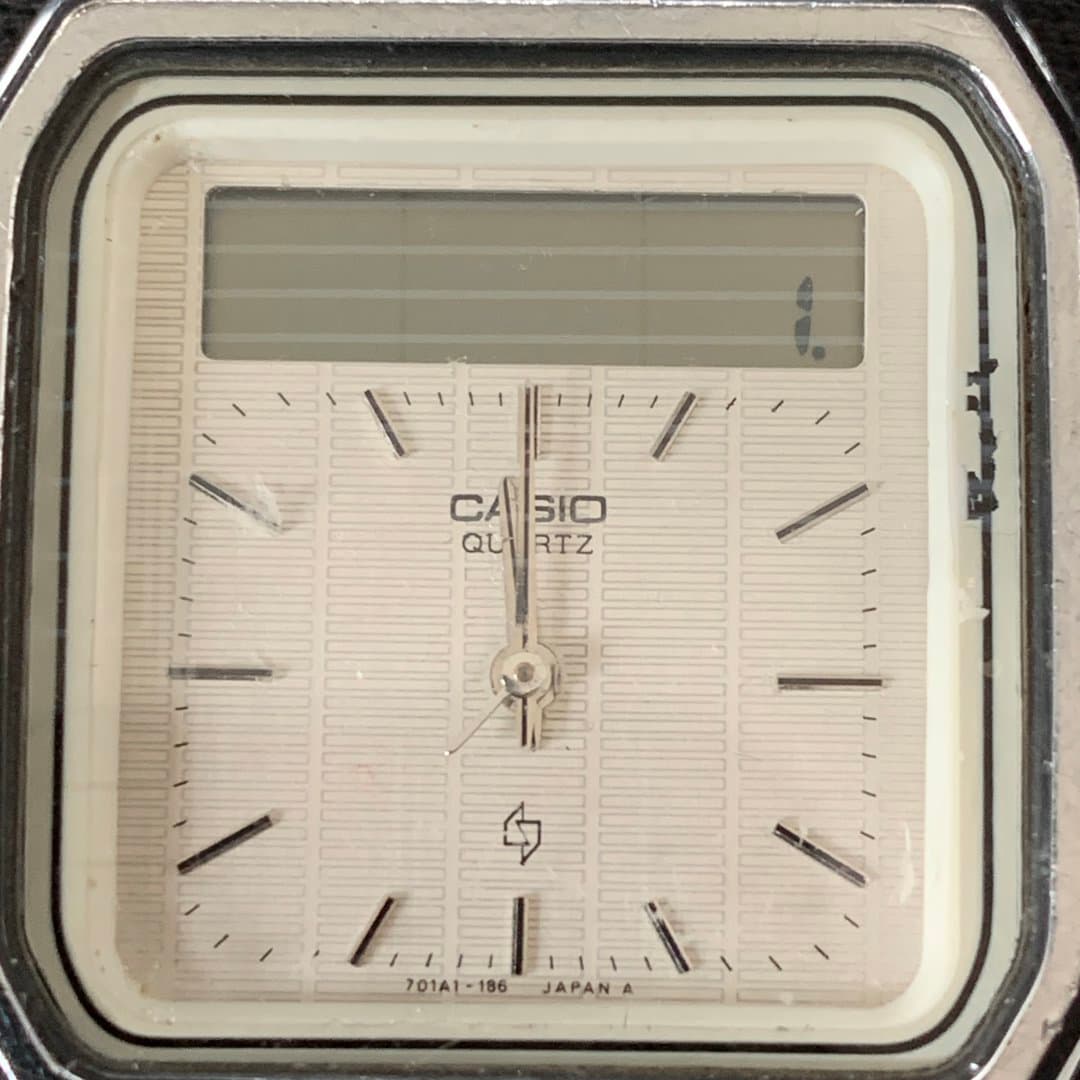
Casio AT-552 Janus Quartz & Digital
by WatchPro
Frequently asked questions
How should I begin building a wristwatch collection?
Start by identifying a specific area of interest, such as vintage digital watches, automatic divers, or a particular brand. Research models, understand different movements, and establish a realistic budget to guide your initial acquisitions.
What factors most significantly influence the value of a vintage wristwatch?
Originality, exceptional condition (especially unpolished cases and untouched dials), rarity, and historical provenance are paramount. The presence of original box and papers, known as a "full set," also substantially enhances value.
What are the best practices for storing and maintaining collectible wristwatches?
Store watches in a cool, dry place, away from direct sunlight, extreme temperatures, and strong magnetic fields. Mechanical watches benefit from occasional winding or a watch winder to keep internal lubricants properly distributed.