Nintendo Home Consoles Checklist
From the 1977 Color TV-Game to the Switch 2: every Nintendo home console, revision and mini console. See which models collectors on Save All already own.
Color TV-Game 6
1977
Not on Save All yet
Color TV-Game 15
1977
Not on Save All yet
Color TV-Game Racing 112
1978
Not on Save All yet
Color TV-Game Block Kuzushi
1979
Not on Save All yet
Computer TV-Game
1980
Not on Save All yet
Famicom (HVC-001)
1983
Not on Save All yet
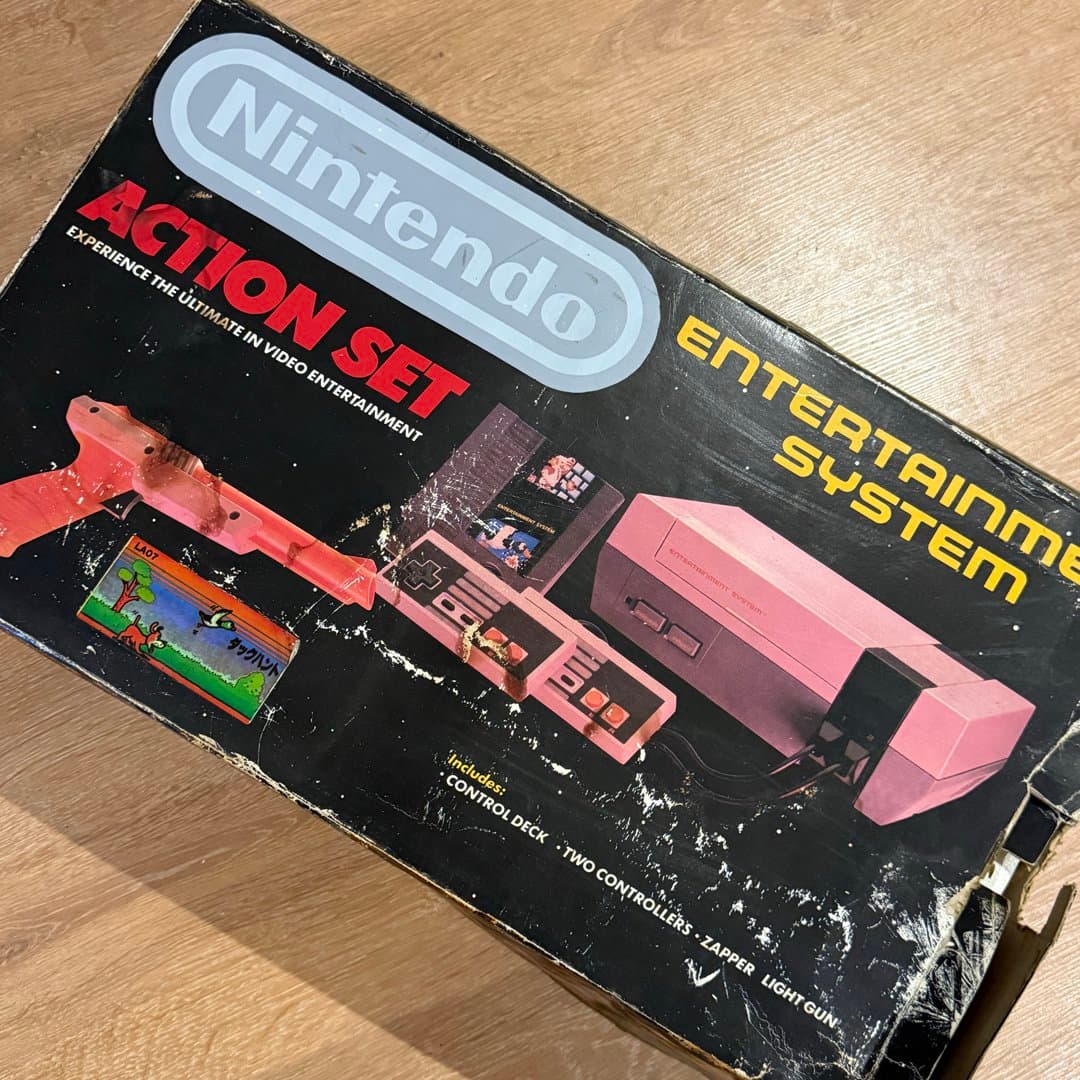
Famicom Disk System
1986
Not on Save All yet
Sharp Twin Famicom
1986
Not on Save All yet
Super Famicom (SHVC-001)
1990
Not on Save All yet
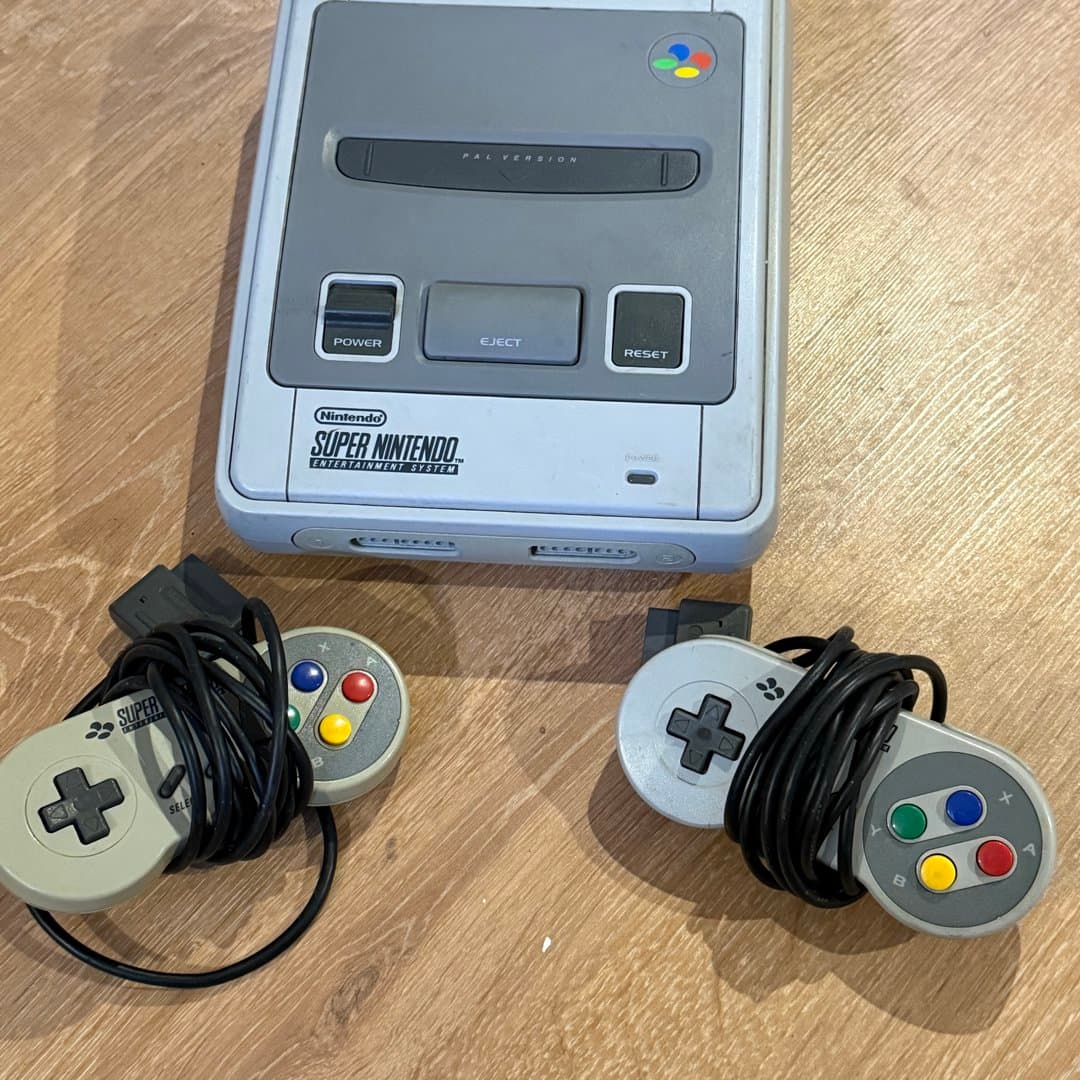
NES Top-Loader (NES-101)
1993
Not on Save All yet
AV Famicom (HVC-101)
1993
Not on Save All yet
Satellaview
1995
Not on Save All yet
Virtual Boy
1995
Not on Save All yet
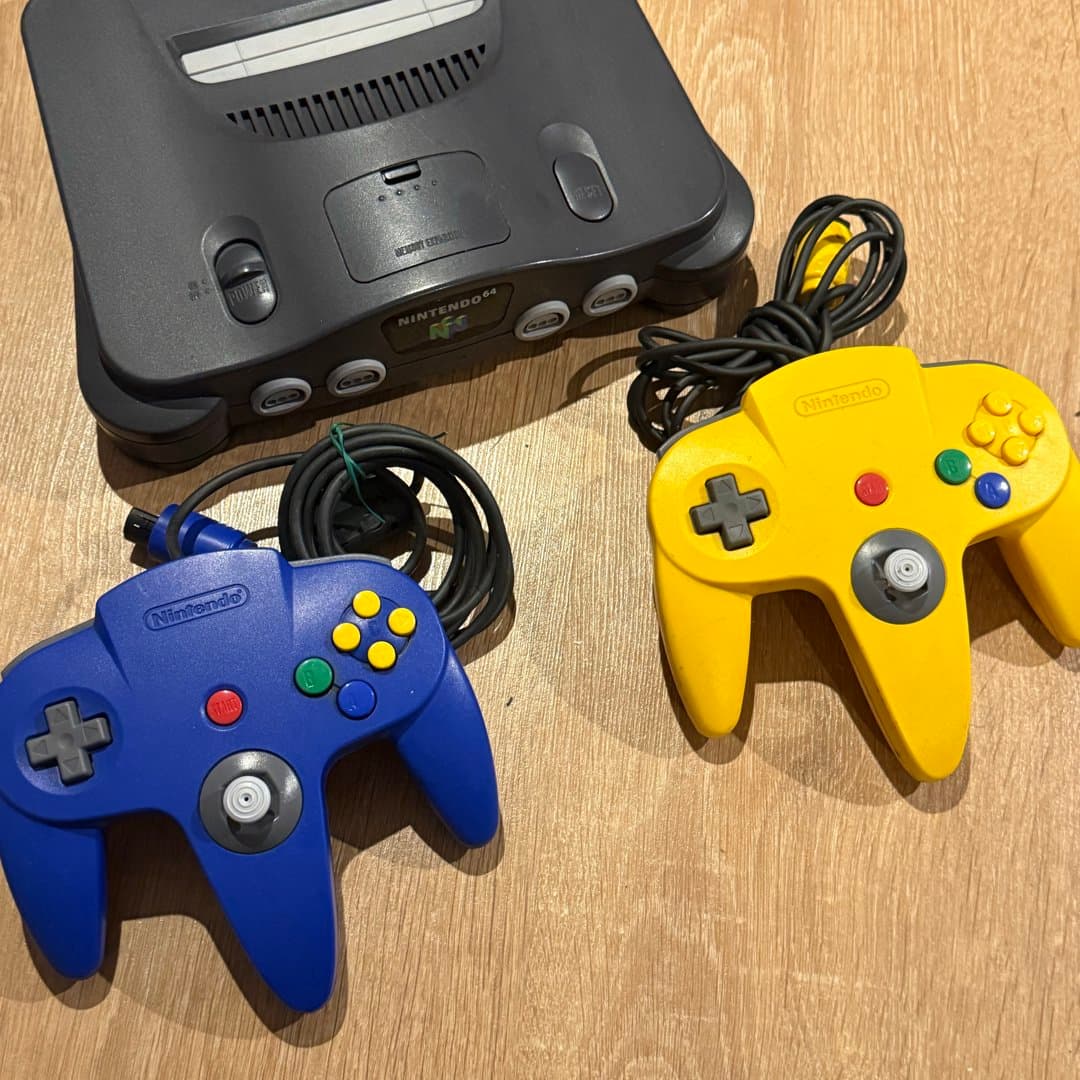
SNES Jr. (SNS-101)
1997
Not on Save All yet
Super Famicom Jr. (SHVC-101)
1998
Not on Save All yet
Nintendo 64DD
1999
Not on Save All yet
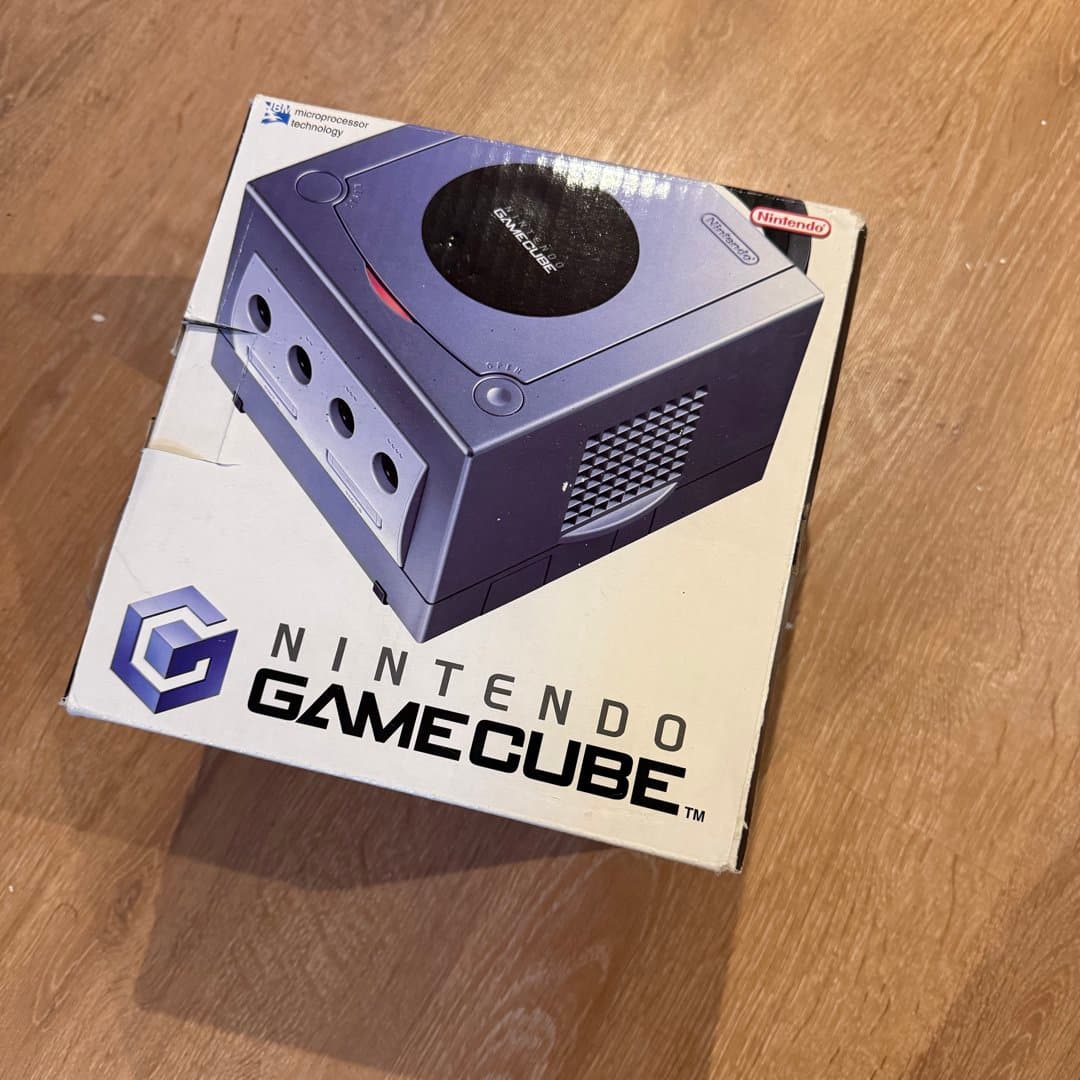
Panasonic Q
2001
Not on Save All yet
iQue Player
2003
Not on Save All yet
GameCube (DOL-101)
2004
Not on Save All yet
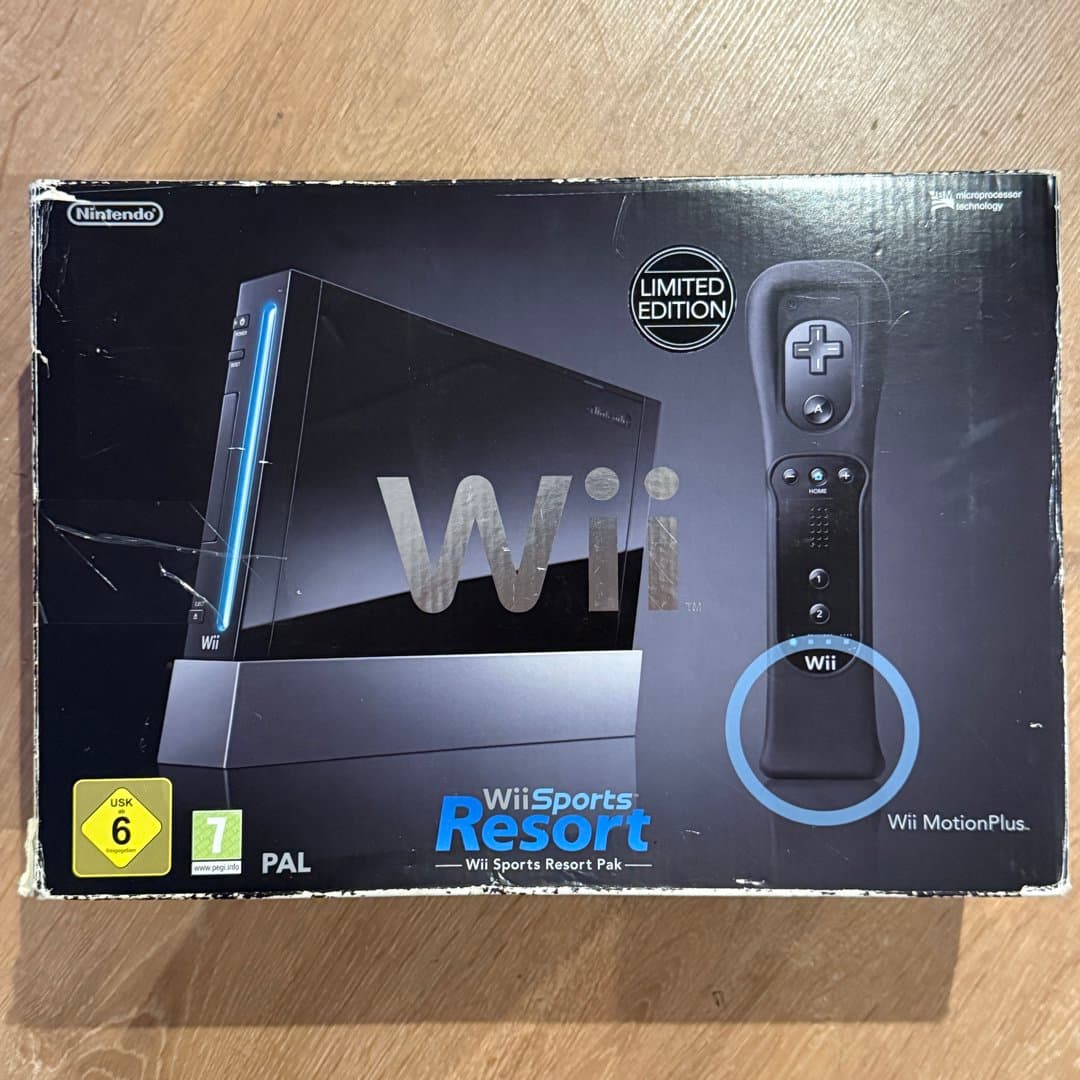
Wii Family Edition (RVL-101)
2011
Not on Save All yet
Wii Mini (RVL-201)
2012
Not on Save All yet
Wii U
2012
Not on Save All yet
NES Classic Mini / Famicom Mini
2016
Not on Save All yet
Nintendo Switch (HAC-001)
2017
Not on Save All yet
SNES Classic Mini / Super Famicom Mini
2017
Not on Save All yet
Nintendo Switch (HAC-001(-01))
2019
Not on Save All yet
Nintendo Switch Lite (HDH-001)
2019
Not on Save All yet
Nintendo Switch OLED Model (HEG-001)
2021
Not on Save All yet
Nintendo Switch 2
2025
Not on Save All yet
Top collectors
- 1misket5 models
Track your progress
Add your items in the Save All app to see how much of this checklist you have completed.
About this checklist
Nintendo's first home video game hardware was the Color TV-Game series, built with Mitsubishi and sold in Japan from 1977. The Family Computer, or Famicom, followed in July 1983 and was redesigned as the Nintendo Entertainment System for North America in 1985. The Super Famicom (1990) and the Super NES (1991) took the line into the 16-bit era.
The Nintendo 64 arrived in 1996, the GameCube in 2001 and the motion-controlled Wii in 2006, which sold more than 100 million units. The Wii U (2012) was followed by the hybrid Nintendo Switch in 2017 and the Switch 2 in 2025. Collectors also look for revisions and rarities such as the NES top-loader, the SNES Jr., the Japan-only 64DD and Panasonic Q, the Virtual Boy and the NES and SNES Classic Mini.
This checklist covers Nintendo's TV consoles and their main revisions; handhelds such as the Game Boy and DS have their own checklists. Each model shows real photos from Save All collectors and how many of them own one. Add your consoles in the app to see how complete your Nintendo collection is.
Frequently asked questions
What is the difference between the Famicom and the NES?
The Japanese Famicom (1983) is a red-and-white, top-loading console with hard-wired controllers and 60-pin cartridges. The NES (1985) is a grey, front-loading redesign with detachable controllers and 72-pin cartridges.
How can I tell the GameCube DOL-001 from the DOL-101?
The original DOL-001 has a Digital AV Out port on the back. The cost-reduced DOL-101 from 2004 dropped that port and the unused Serial Port 2, so look at the back of the console.
What is the Wii Mini?
The Wii Mini (RVL-201) is a smaller, cost-reduced Wii that launched in Canada in December 2012. It has no internet features, no GameCube compatibility and no SD card slot.