Atari Consoles & Computers Checklist
From Home Pong and the 2600 to the Lynx and Jaguar: the Atari hardware checklist, with real collector photos.
Atari Home Pong
1975
Not on Save All yet
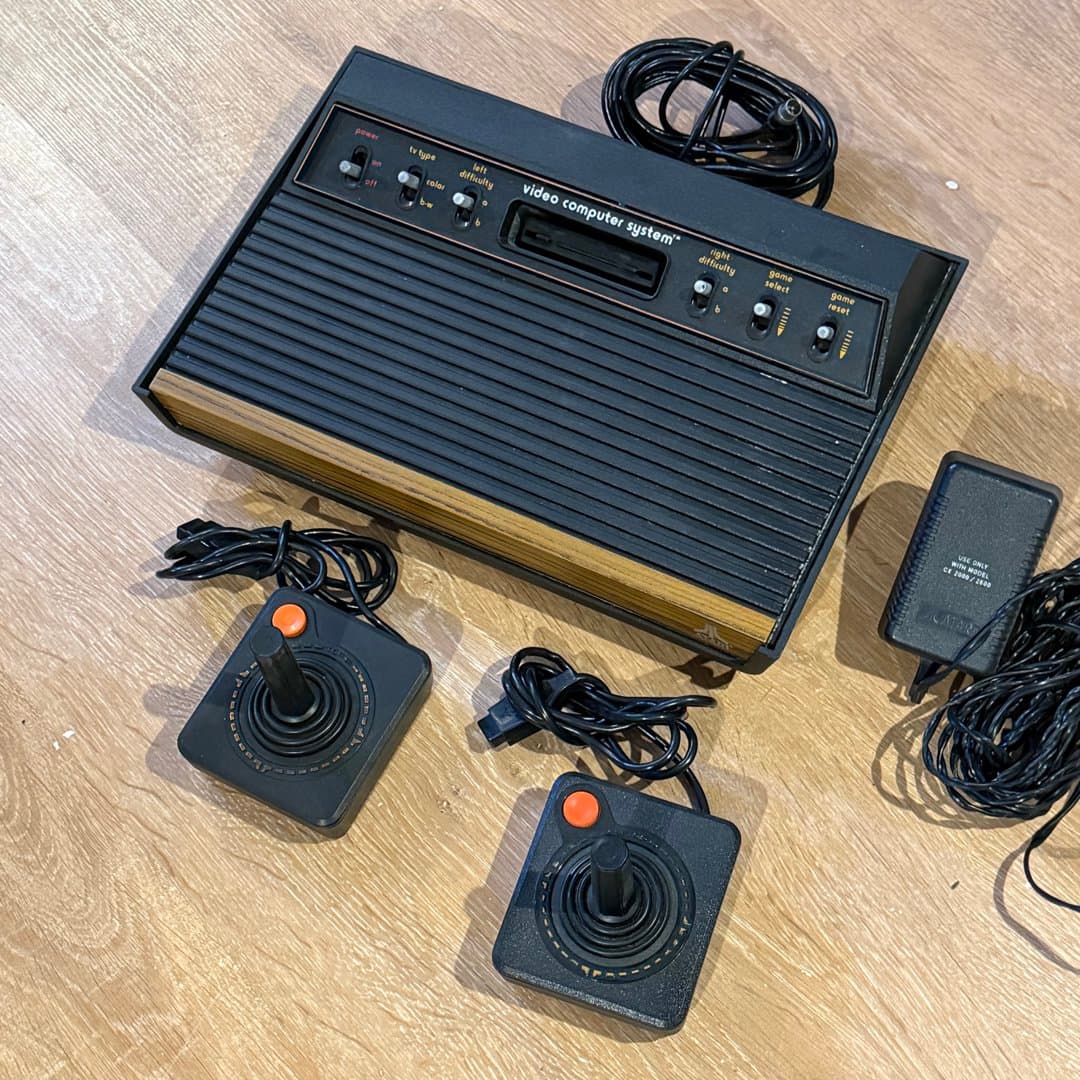
Atari 400
1979
Not on Save All yet
Atari 800
1979
Not on Save All yet
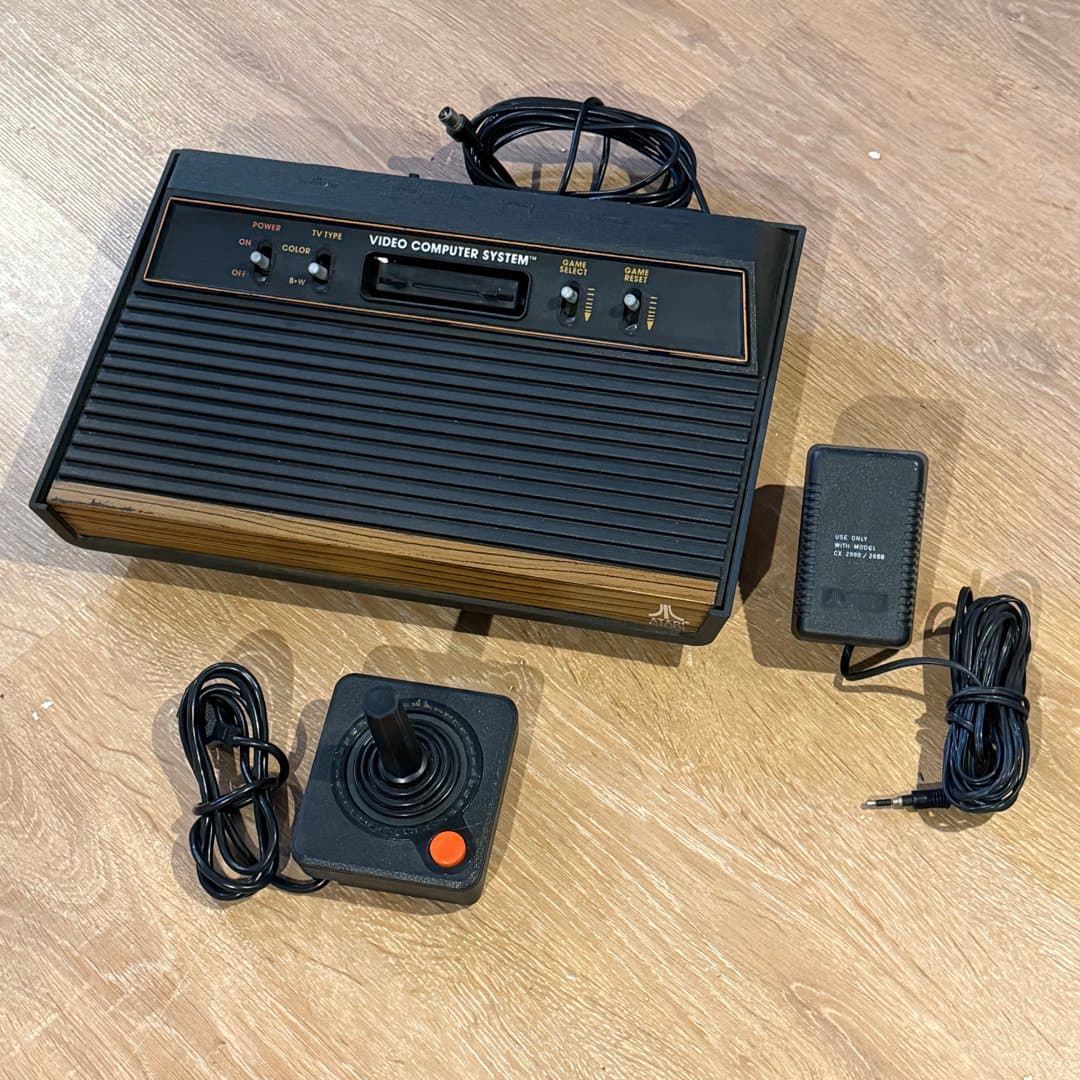
Atari 5200
1982
Not on Save All yet
Atari 1200XL
1982
Not on Save All yet
Atari 600XL
1983
Not on Save All yet
Atari 800XL
1983
Not on Save All yet
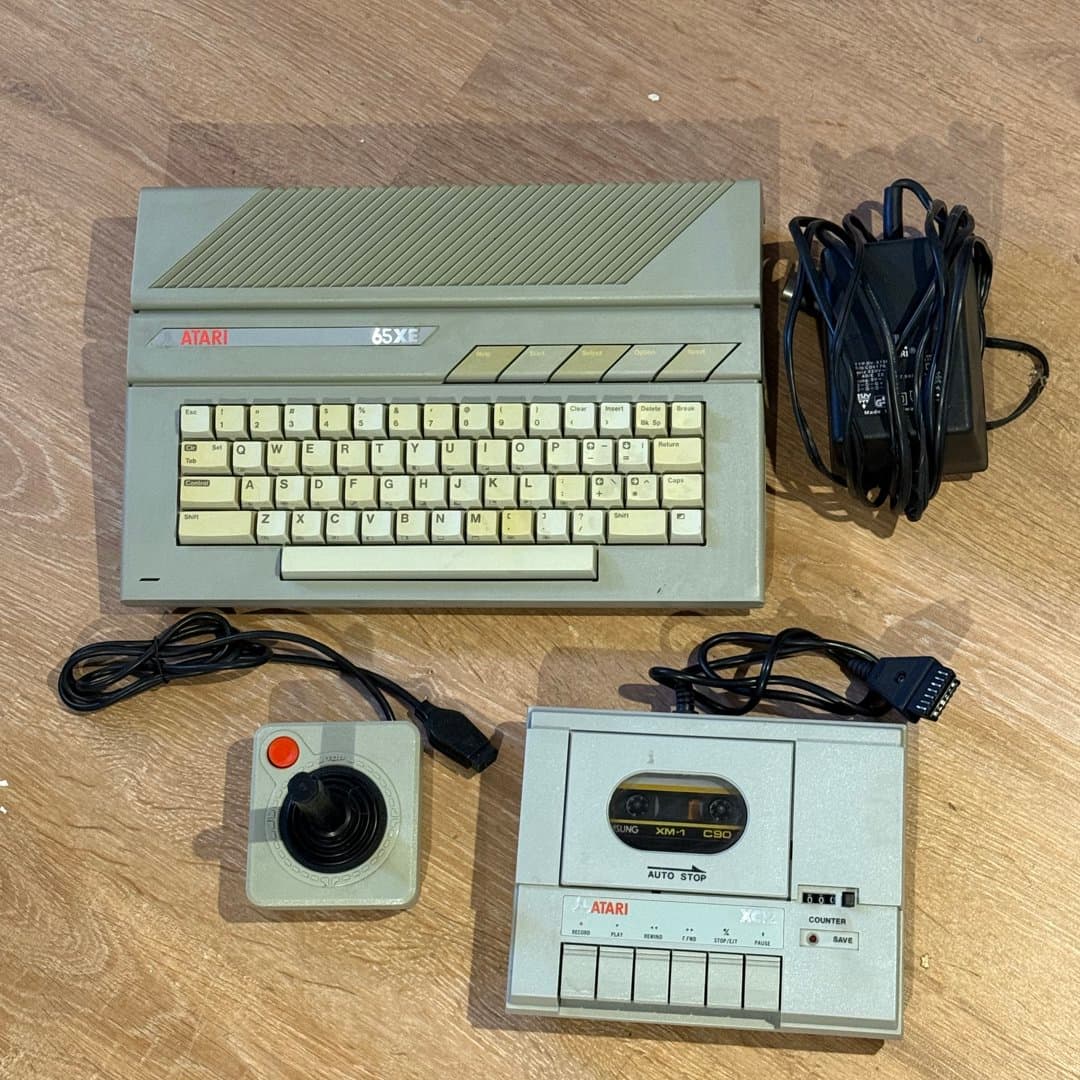
Atari 130XE
1985
Not on Save All yet
Atari 520ST
1985
Not on Save All yet
Atari 1040ST
1986
Not on Save All yet
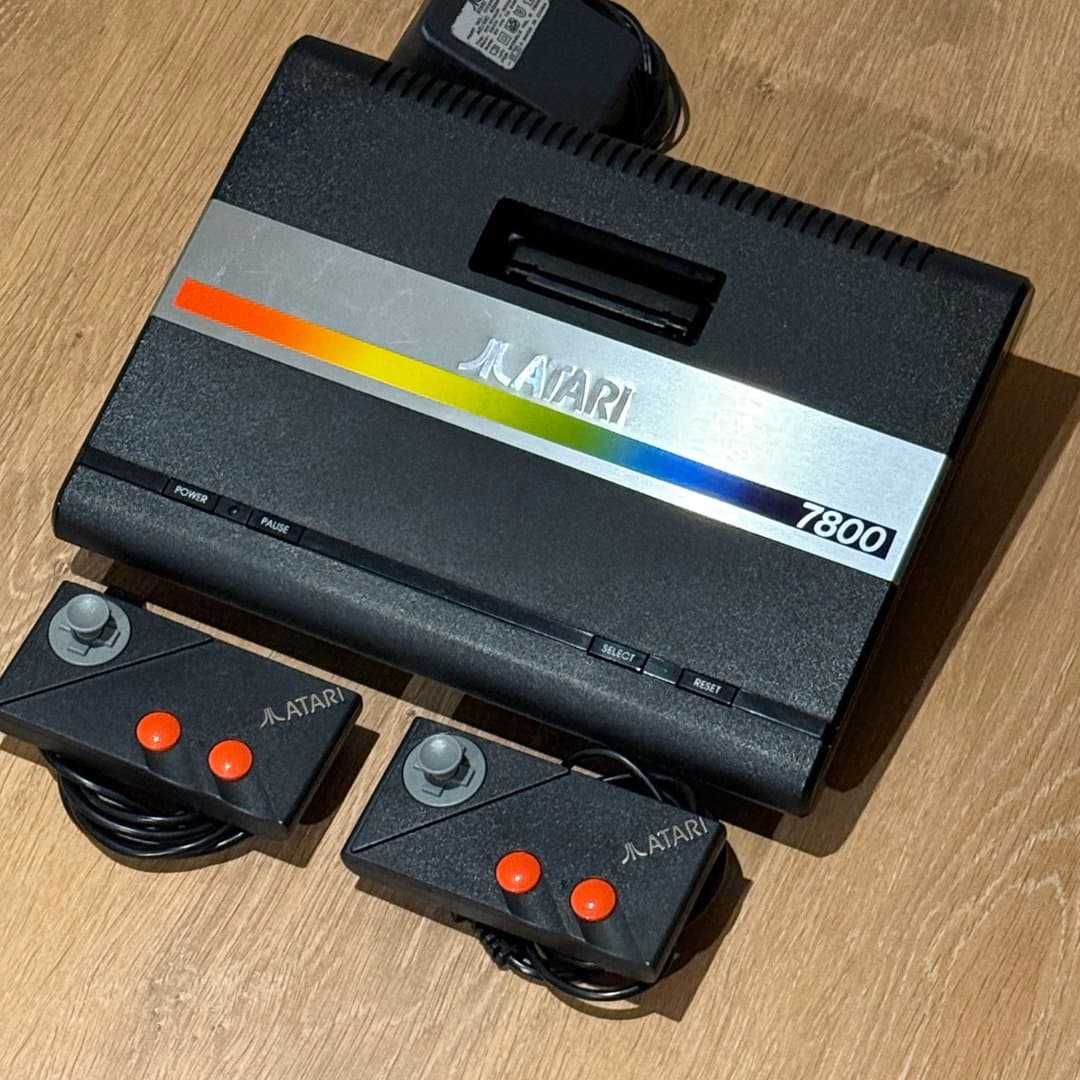
Atari 2600 Jr.
1986
Not on Save All yet
Atari XE Game System (XEGS)
1987
Not on Save All yet
Atari Lynx
1989
Not on Save All yet
Atari Falcon030
1992
Not on Save All yet
Atari Jaguar
1993
Not on Save All yet
Track your progress
Add your items in the Save All app to see how much of this checklist you have completed.
About this checklist
Atari turned video games into a home product. After Home Pong in 1975, the Atari VCS, later renamed the 2600, launched in 1977 and became the console that defined a generation. Collectors still tell its versions apart: the early six-switch models, the four-switch "woody" and the compact 2600 Jr.
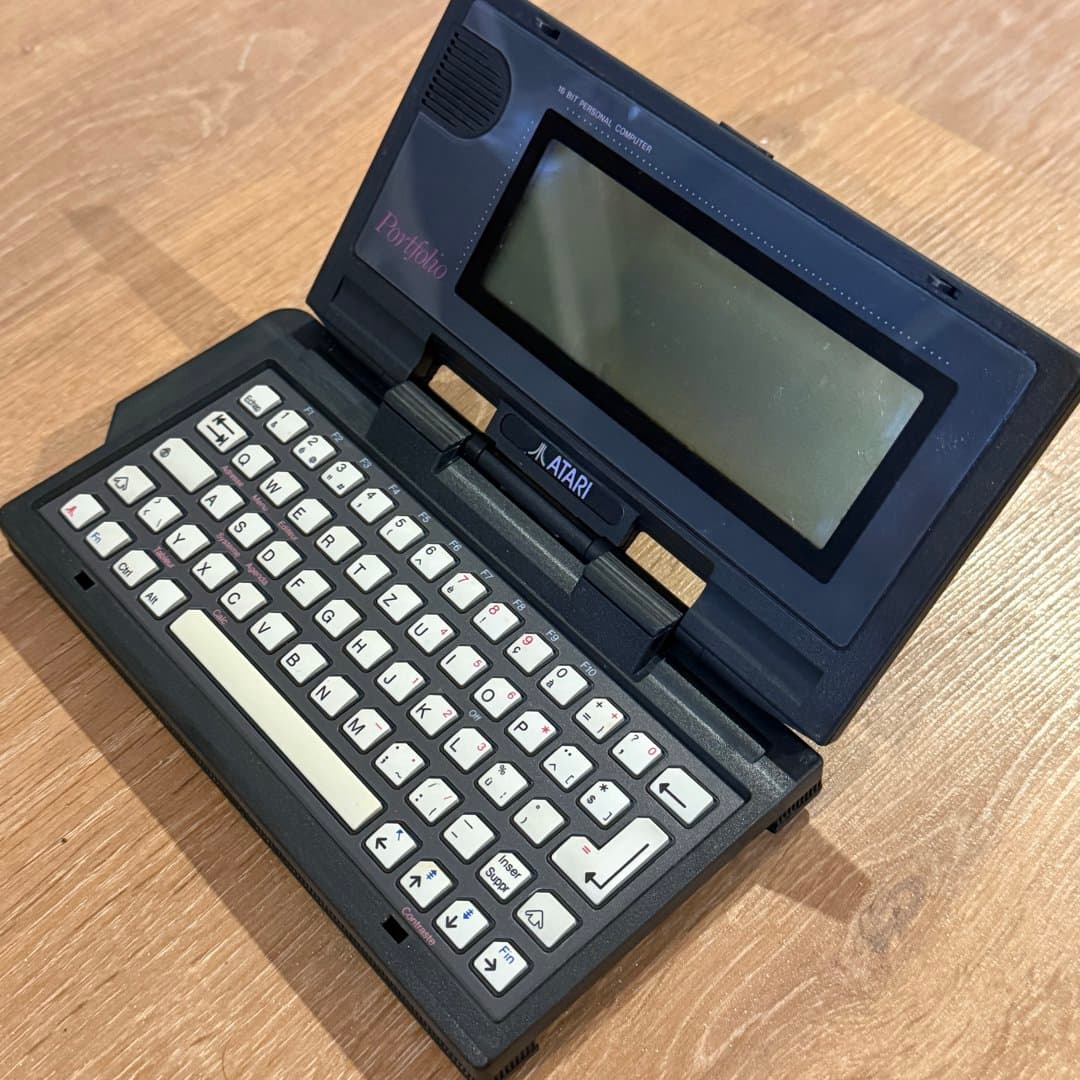
Atari also built home computers. The 400 and 800 arrived in 1979, followed by the XL and XE lines and, in 1985, the 16-bit ST series that was popular with musicians thanks to its built-in MIDI ports. Later hardware included the 7800, the Lynx handheld, the Portfolio palmtop and the Jaguar.
This checklist covers Atari's main consoles and computers. Each model shows photos from Save All collectors and how many of them own one. Add your machines in the app to track your Atari collection.
Frequently asked questions
What is the difference between a six-switch and a four-switch Atari 2600?
Early 2600 consoles (1977-1980) had six switches on the front, including the difficulty switches. From 1980 the difficulty switches moved to the top and the front kept four switches.
What was the Atari 2600 originally called?
It launched in 1977 as the Atari VCS (Video Computer System) and was renamed the Atari 2600 in 1982.
Why was the Atari ST popular with musicians?
The ST had MIDI ports built in, so it could control synthesizers and drum machines without extra hardware.